Loneliness After Retirement: How to Build Connection That Lasts, Wherever You Live
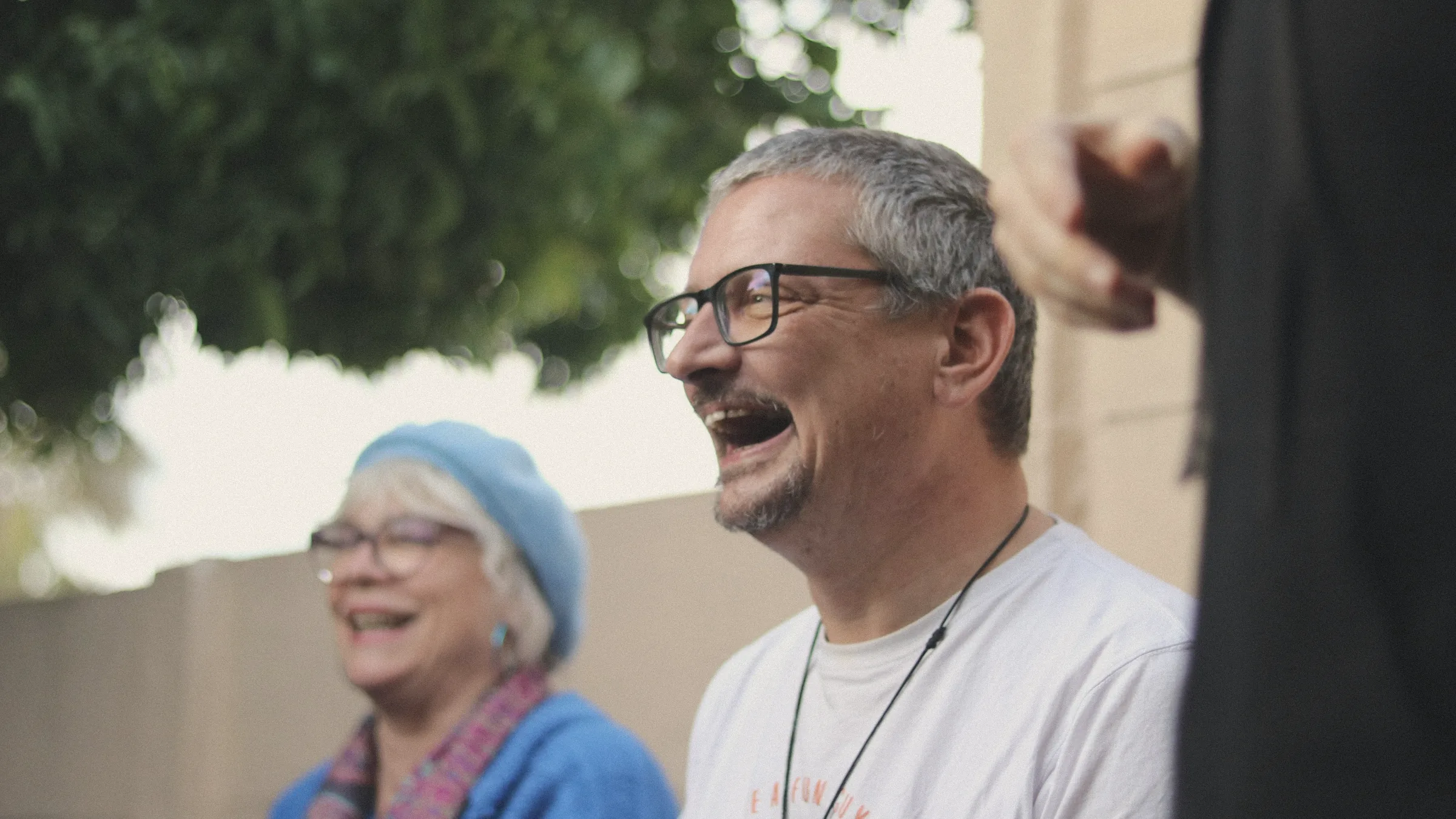
Laughter that comes easily among people who have chosen each other.
Key takeaways
- Loneliness is a feeling, not a failing. It happens when the relationships we have do not match the relationships we want, and it can affect anyone, including people with full diaries.
- Retirement, bereavement, moving home or country, health changes and children living far away are common triggers in later life.
- The World Health Organization treats social isolation and loneliness as serious public health issues with real effects on health and wellbeing.
- Connection is built mostly through repeated, regular contact around shared activity, not one‑off events.
- Small, steady steps work best: one weekly group, one regular call, one act of help to someone else.
- If loneliness comes with persistent low mood or hopelessness, speak to a doctor. Help is available and effective.
For many people, work was where friendship happened without effort. Colleagues, shared coffee, small talk in the corridor, the ritual of the commute. Retirement removes all of it in a single day. For some, the freedom is pure joy. For others, a quieter feeling arrives in the months that follow: the days are open, but the phone rings less often.
This guide is about that feeling, and about what to do with it. It is written for anyone, whether you live alone or with a partner, in your home town or far from where you grew up. It is also written for people who are not lonely now but want to make sure they will not be in ten or twenty years' time.
What loneliness is, and what it is not
The WHO Commission on Social Connection uses clear definitions that are worth knowing (WHO, Social isolation and loneliness):
- Social connection is how we relate to and interact with others.
- Loneliness "hurts and happens when your relationships do not match what you want or need".
- Social isolation is having very few relationships or not seeing people often enough.
The distinction matters. You can be isolated without feeling lonely, if you like solitude and have a few close ties. And you can feel lonely in a busy household or a crowded room, if the connections you have do not meet your need for closeness, understanding or belonging.
Loneliness is also not a character flaw. It is a signal, a bit like hunger, telling us that a basic human need is not being met. Treating it that way, as information rather than shame, makes it much easier to act on.
Why it matters for health
The WHO recognises social isolation and loneliness as a priority public health problem across all ages, including later life, and its Commission on Social Connection has gathered evidence that they cause serious harm to health and wellbeing (WHO). The WHO's dementia fact sheet lists social isolation among the factors linked to higher risk of dementia, and staying socially active among the actions that can reduce risk (WHO, Dementia).
Long‑term research on adult life points the same way. The Harvard Study of Adult Development, which has followed participants for decades, is best known for its finding that the quality of close relationships is strongly linked to health and happiness as people age (Harvard Study of Adult Development).
Several governments now treat loneliness as a policy issue in its own right; the United Kingdom and Japan have both appointed ministers with responsibility for it. Whatever the politics, the message is consistent: connection is part of health, not an extra.
Why loneliness often arrives in later life
Loneliness rarely has a single cause. Common triggers include:
- Leaving work: losing daily contact, shared purpose and an identity others recognise.
- Bereavement: losing a partner, siblings or friends, sometimes in quick succession.
- Moving: downsizing, moving nearer family, or retiring to a new country.
- Children and grandchildren living far away.
- Health changes: reduced mobility, hearing or vision loss, or a chronic condition that makes going out harder.
- Giving up driving, especially where public transport is poor.
- Caring for a partner, which can quietly crowd out other relationships.
- Money worries, which can make social activities feel unaffordable.
Recognising which ones apply to you points to what will help. Loneliness after bereavement needs different support from loneliness after a move abroad.
How connection is actually built
Friendships form mostly through repeated, low‑pressure contact with the same people, ideally around a shared activity. One big party rarely creates a friend; a weekly class, a choir, a volunteer shift or a walking group often does. Three principles follow:
- Regularity beats intensity. The same time, the same place, the same faces.
- Shared activity beats conversation alone. Doing something together lowers the pressure to perform socially.
- Contribution beats consumption. Helping, teaching or organising gives you a role and gives others a reason to rely on you.
A practical plan
Step 1: Map your connections
Draw three circles:
- Inner circle: people you could call at 3 a.m.
- Middle circle: friends and relatives you see or speak to regularly.
- Outer circle: acquaintances: neighbours, shopkeepers, people from groups.
Notice which circles are thin. Each matters. Inner‑circle relationships protect against deep loneliness; the outer circle provides the daily texture of belonging, the nod from the baker, the chat at the bus stop.
Step 2: Choose one anchor activity
Pick one weekly activity that involves the same people each time. Ideas:
- A class: language, art, history, cooking, crafts.
- A group: choir, walking, cycling, rowing, chess, bridge, book club.
- A volunteer role with a regular shift.
- A faith or community group.
- A University of the Third Age group, where members teach and learn from each other (u3a).
- A sports club suited to your level.
Commit to going for at least six to eight weeks before judging it. The first few sessions are often awkward; friendships form later.
Step 3: Reach out to one person each week
Choose one person each week to contact: an old colleague, a cousin, a neighbour, a friend you have lost touch with. A short message, a call or an invitation for coffee is enough. Most people are pleased to be thought of, and many are waiting for someone else to make the first move.
Step 4: Say yes more often
Accept invitations even when you would rather stay in, at least for a while. If you leave early, that is fine; you still showed up.
Step 5: Help someone
Volunteering, mentoring, helping a neighbour or supporting a local cause creates connection with purpose. It also changes how you see yourself: from someone who needs company to someone others rely on. Our guide to finding purpose after retirement explores this in depth.
Step 6: Use technology as a bridge, not a substitute
Video calls keep distant family close; messaging groups keep friends in touch; online communities can connect people with shared interests or limited mobility. Use them to support in‑person life, not replace it.
Step 7: Review every few months
Ask: Who did I see this month? Which activities left me feeling connected? What is missing? Adjust.
Connection for particular situations
After bereavement
Grief and loneliness are tangled together, and there is no correct timetable. In the early period, accept practical help and do not force yourself into busy social settings. Later, bereavement support groups can connect you with people who understand. Gradually rebuilding routines, one at a time, often helps. If grief feels stuck or overwhelming, a doctor or bereavement counsellor can help.
For couples
Retirement can bring couples closer, but it can also leave one partner without independent friendships. Each person benefits from some connections of their own. If one partner becomes a carer, protect their social life too; carers' groups and respite services can make this possible.
When living alone
Living alone is not the same as being lonely, but it removes everyday contact. Build small daily rituals that bring you into contact with others: a morning walk past the same café, shopping in person, a regular call at the same time.
With hearing or vision loss
Difficulty hearing conversations is one of the most common and least discussed reasons people withdraw. Getting hearing and vision checked, and using aids, can transform social life. The WHO lists vision and hearing loss among risk factors for dementia and recommends using hearing aids where needed (WHO, Dementia).
With limited mobility
Look for accessible groups, transport schemes, home visiting or telephone befriending services, and online communities. Inviting people to your home can reverse the effort of going out.
After moving to a new country
Retiring abroad can be exciting and lonely at once. You lose your existing network, and language and culture can make new connections slower. What helps:
- Learn the language and practise it daily, even imperfectly.
- Join something in the first month, before isolation becomes a habit.
- Mix with locals and with other newcomers. Newcomers understand your situation and are often eager for friendship; locals provide belonging.
- Become a regular at a café, market or club.
- Keep scheduled calls with home without letting them replace local life.
Our guides on how to retire abroad and how to choose where to retire include community as a core factor, not an afterthought.
A 30‑day reconnection plan
If you want to start now, this simple month‑long plan turns intentions into habits. Adapt it freely.
Week 1: Notice
- Draw your three circles of connection.
- Write down three activities you enjoyed at any point in your life.
- Make one phone call to someone you have not spoken to in a while.
Week 2: Try
- Attend one group activity, even if you only stay an hour.
- Say hello to one neighbour or local shopkeeper by name.
- Arrange one coffee or walk with a friend.
Week 3: Repeat
- Go back to the same group activity.
- Make two calls or send two messages.
- Offer one small act of help to someone: a lift, a meal, a hand with technology.
Week 4: Commit
- Decide which activity you will keep for the next three months, and put it in your calendar.
- Set a recurring time for calls with family or friends.
- Look up one volunteering opportunity and contact the organiser.
At the end of the month, notice how you feel. Even small gains, a name you now know, a group that expects you next week, are the beginnings of lasting connection.
Connection across cultures
How people connect in later life varies around the world. In some places, multi‑generational households and daily family contact are normal; in others, independence is valued and friendships are built through clubs, associations and neighbourhood life. Café culture, evening strolls, village festivals, religious communities, community gardens and sports clubs all play this role in different countries.
If you move, look for the local version of these spaces and step into them. If you stay, consider borrowing ideas from elsewhere: a regular evening walk, a weekly shared meal with neighbours, an intergenerational project. Connection is a universal need; the forms it takes are endlessly varied.
How place shapes connection
Where you live has a large effect on how easy connection is:
- Walkable neighbourhoods with shops, cafés and parks create casual contact.
- Good public transport keeps you connected after you stop driving.
- Community infrastructure such as libraries, community centres, clubs and places of worship gives you somewhere to belong.
- Housing matters too: some people choose co‑housing, intergenerational housing or retirement communities partly for connection.
When choosing where to live, weigh these as seriously as cost and climate.
Money and connection
Social life does not need to be expensive. Libraries, parks, community centres, volunteering and many clubs cost little or nothing. If money is a worry, planning your spending so that a modest social budget is protected can be one of the best uses of retirement income; see Retirement Drawdown.
Connection and legacy
Relationships are part of what we leave behind. Sharing stories, recording family history, mentoring younger people and staying close to grandchildren all build connection now and legacy later. Our Wills & Family guides cover the practical side of passing things on.
Helping someone else who is lonely
You may notice loneliness in a friend, neighbour or relative before they mention it. Signs can include withdrawing from activities, talking about having no one to see, or neglecting themselves. You can help by:
- Making regular, specific invitations ("Would you like to walk on Thursday?").
- Calling at a predictable time.
- Offering practical help with transport or technology.
- Introducing them to a group you belong to.
- Encouraging a doctor's visit if low mood seems persistent.
When to seek help
Loneliness can be linked with depression and anxiety, which are common, treatable and not a normal part of ageing. Speak to a doctor if you notice:
- Persistent sadness or emptiness for weeks.
- Loss of interest in things you used to enjoy.
- Changes in sleep or appetite.
- Feeling hopeless or worthless.
If you ever have thoughts of harming yourself, contact emergency services or a crisis line in your country immediately.
Frequently asked questions
Why do I feel lonely after retiring even though I have family?
Loneliness depends on whether your relationships meet your needs, not on how many you have. Work may have provided daily contact, shared purpose and friendships that family time does not replace. Adding regular activities with peers often helps.
How can I make friends after retirement?
Join regular activities with the same people each week, such as classes, clubs, volunteering or groups. Friendships usually grow from repeated contact over weeks and months.
Is loneliness bad for your health?
The WHO treats social isolation and loneliness as serious public health issues with real effects on health and wellbeing, and lists social isolation among risk factors linked to dementia.
What is the difference between loneliness and social isolation?
Social isolation is having few relationships or little contact. Loneliness is the painful feeling when relationships do not match what you want or need. You can have one without the other.
How do I cope with loneliness after moving abroad?
Learn the language, join a group in the first month, become a regular somewhere, mix with both locals and newcomers, and keep scheduled contact with home.
Can online friendships help?
Yes, especially for people with limited mobility or distant family. They work best alongside some in‑person contact.
What if I don't enjoy groups?
Try one‑to‑one connections: a regular coffee with one person, a walking partner, mentoring, or volunteering in a role with a small team.
Keep exploring onwora
- Purpose: How to Find Purpose After Retirement
- Place: How to Choose Where to Retire · How to Retire Abroad
- Money: Retirement Drawdown · The 4% Rule Explained
- Health: Healthcare When You Retire Abroad · International Health Insurance Explained
- Legacy: Wills and Estates Across Borders · Forced Heirship Explained
This guide is general information, not medical or psychological advice. If you are struggling, please contact a doctor or a local support service.