Volunteering in Retirement: How to Find a Role That Fits, at Home or Abroad
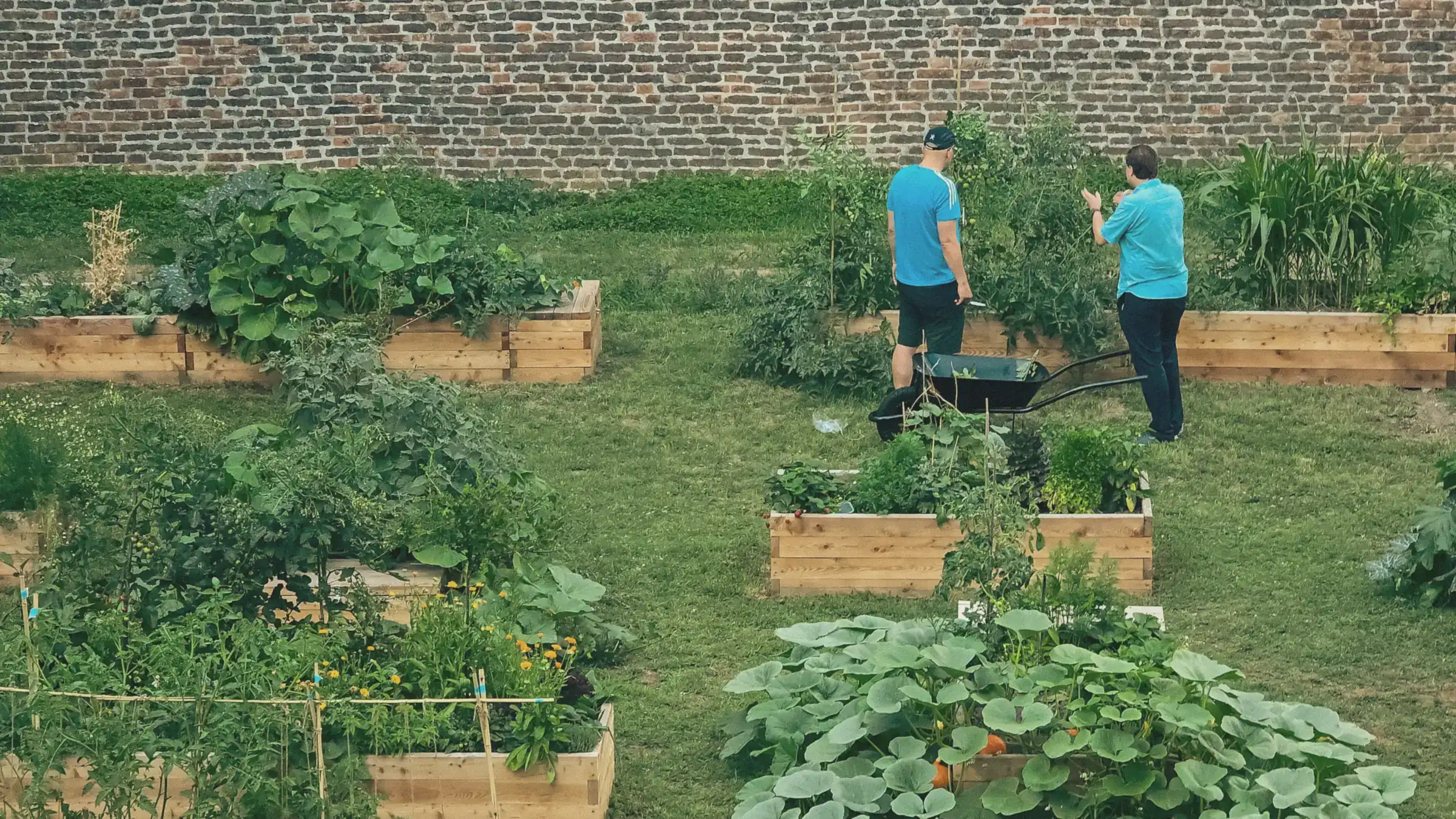
Raised beds and shared work, a community garden growing as much as it gives.
Key takeaways
- Volunteering can bring structure, friendship, purpose and new skills to retirement, while meeting real needs in your community.
- The best roles fit three things: your motives, your skills or interests, and the time and energy you genuinely have.
- Regular roles with the same people build friendships far more than occasional one‑off events.
- Start small, try before committing, and renegotiate as your life changes.
- If you volunteer abroad or after moving country, check your visa conditions, choose organisations with long‑term local roots and put local needs first.
- Good organisations look after volunteers too: clear roles, training, support and respect for your limits.
When the working week ends, many people discover how much it gave them besides a salary: somewhere to be, people to see, problems to solve, a sense of being useful. Volunteering can restore all of these, on your own terms. It can also be frustrating, exhausting or disappointing if the fit is wrong.
This guide is about finding the right fit. It covers why people volunteer, the main kinds of role, how to choose one, what to expect, how to volunteer well when you live in another country, and how to keep it a joy rather than a burden. It complements How to Find Purpose After Retirement and Loneliness and Connection After Retirement.
Why volunteering matters in later life
Volunteering is one of the most direct routes to the ingredients of a good later life:
- Purpose: using your time for something you believe in.
- Connection: working alongside the same people regularly, which is how friendships form.
- Structure: a reason to get up and out at a set time.
- Learning: new skills, new places, new perspectives.
- Activity: many roles involve walking, lifting, gardening or simply getting out of the house.
The World Health Organization identifies social isolation and loneliness as serious risks to health and wellbeing at all ages, including later life (WHO, Social isolation and loneliness), and its framework for healthy ageing emphasises people's ability to contribute and do what they value (WHO, Decade of Healthy Ageing). Volunteering touches all of these.
Communities benefit too. Much of civil society, from food banks to museums, sports clubs to hospices, depends on volunteers, and people in retirement often bring exactly the experience, patience and availability these organisations need.
Start with your motives
People volunteer for different reasons, and knowing yours helps you choose. Which of these resonate?
- "I want to give back." A cause matters more than the task.
- "I want to meet people." The social setting matters most.
- "I want to use my professional skills." You want to make a difference with expertise.
- "I want to do something completely different." A break from your old professional self.
- "I want to learn." New skills, knowledge or experiences.
- "I want to be active and outdoors."
- "I want structure." A regular commitment.
- "I want to connect with my new community" after a move.
Rank your top two or three. They are your filter.
The main types of volunteering
Direct service
Working face to face with people: befriending, mentoring, tutoring, reading with children, supporting people in hospital or hospice, helping at food banks or shelters, driving people to appointments.
Suits: people who want human connection and visible impact. Consider: emotional demands; training and background checks are often required.
Skills‑based volunteering
Using professional expertise: finance, law, marketing, IT, management, writing, translation, coaching, building trades.
Suits: people who enjoyed their work and want to keep using it. Consider: set clear boundaries so that a "small favour" does not become an unpaid job.
Governance
Serving as a trustee, board member, treasurer or committee member for a charity, school, club or community organisation.
Suits: people with leadership or financial experience. Consider: legal responsibilities and time commitments; understand both before accepting.
Practical and hands‑on
Conservation, gardening, building and repair, trail maintenance, animal care, event setup.
Suits: people who want physical activity and tangible results. Consider: physical demands; ask about safety and pacing.
Cultural and heritage
Museum and gallery guiding, archive work, historic sites, festivals, libraries.
Suits: people who love history, art and learning.
Learning communities
Teaching or organising in member‑led learning groups. The University of the Third Age model, in which members share knowledge and learn from each other, depends entirely on volunteers (u3a).
Suits: people who enjoy teaching, organising or learning alongside peers.
Civic and campaigning
Community councils, residents' associations, advocacy groups, election volunteering where permitted.
Suits: people who want to change local conditions.
Remote and online
Online mentoring, transcription, translation, helplines, digital support for charities.
Suits: people with limited mobility, irregular schedules or who live in remote areas. Consider: less face‑to‑face connection.
Informal volunteering
Helping neighbours, organising street events, checking on someone who lives alone. It counts, and it builds the fabric of a community.
How to choose a role
1. Define your offer
Write down:
- Time: how many hours a week, which days, how regular.
- Energy: physical and emotional.
- Skills and interests: what you could bring, and what you would like to learn.
- Boundaries: what you do not want to do.
2. Search
Ways to find opportunities:
- National volunteering platforms and volunteer centres, which exist in many countries. In the UK, the government's volunteering page and the sector body NCVO are starting points.
- Local libraries, community centres and places of worship.
- Organisations you already admire. Contact them directly.
- Word of mouth from friends and neighbours.
3. Ask good questions
Before you commit, ask the organisation:
- What exactly would I do, and with whom?
- How much time do you need, and how flexible is it?
- What training and support do you provide?
- Who would I report to, and how do volunteers give feedback?
- Are expenses reimbursed?
- What checks are required?
- Is there insurance for volunteers?
- How do volunteers' contributions make a difference?
4. Try it
Ask for a trial period or a taster session. Commit for six to eight weeks before judging; the first sessions are often awkward.
5. Review
After a couple of months ask yourself: Do I look forward to it? Have I met people I like? Do I feel useful? Is it sustainable? Adjust or move on without guilt if it is not right.
What good organisations offer volunteers
Volunteering should be a two‑way relationship. Look for:
- A clear role description.
- Induction and training.
- A named supervisor or coordinator.
- Recognition, formal or informal.
- Respect for your time and limits.
- Clear policies on safety, safeguarding and expenses.
If an organisation treats volunteers as free labour with no support, you may be better elsewhere.
Volunteering after moving to a new country
Volunteering is one of the fastest ways to belong in a new place: it gives you a role, a reason to practise the language and a group of people who share something you care about. But there are particular things to check.
Check your visa
Some residence permits restrict work, and in some countries unpaid work for an organisation can be treated like employment. Check before you start, especially for regular or formal roles. See Retirement Visas Explained and How to Retire Abroad.
Start where you can contribute
Teaching your language, helping at international schools or newcomer support groups, and roles that need professional skills can be good starting points. As your language improves, local roles open up.
Respect local ways
Approach with humility. Local organisations know their communities; offer help on their terms rather than importing solutions.
Mix
Volunteering with local organisations builds belonging; international groups offer friendship with people who understand your situation. Both have value.
Volunteering abroad on trips
Short‑term volunteering trips can be rewarding but need care.
- Choose organisations with long‑term local partnerships and local leadership.
- Ask how volunteers' work is used, and whether it replaces local paid jobs.
- Be especially cautious with roles involving children, such as short‑term orphanage visits, which many child protection experts discourage.
- Prefer skills you genuinely have over tasks you would not be trusted with at home.
- Understand costs: where fees go, and what proportion supports local work.
- Check health and insurance cover for the trip; see International Health Insurance Explained.
Volunteering cultures around the world
How people volunteer varies widely between countries, and knowing this helps if you move or travel.
- Formal volunteering cultures. In some countries, volunteering is organised through large charities and national platforms, with role descriptions, training and recognition schemes. Retired people form a large part of the volunteer workforce in many of them.
- Associational cultures. Elsewhere, much voluntary activity happens through clubs, associations, cooperatives and local societies. You may not see "volunteer vacancies" advertised; instead, you join an association and contribute as a member.
- Faith‑based traditions. In many places, religious communities are the main channel for helping others, open to people of all backgrounds who want to help.
- Family and neighbourhood help. In cultures where care flows mainly through family and neighbours, formal volunteering may be smaller, but informal help is everywhere. Becoming a good neighbour is a form of volunteering.
If you move country and cannot find "volunteering" in the way you knew it, look for the local equivalent: join an association, a parish, a cultural society or a neighbourhood committee, and ask where help is needed.
Three illustrative paths (hypothetical)
The former finance director becomes treasurer of a local hospice charity. She limits the role to set hours each month and mentors a younger trustee to share the load, so that the role does not grow into a second career.
The retired teacher who moved abroad starts by teaching conversation classes in his own language at a community centre. Over two years his local language improves enough to join a heritage society guiding visitors around the old town, which becomes the centre of his social life.
The widower who did not want to talk about feelings joins a conservation group repairing footpaths. Working side by side, rather than face to face, he finds friendship comes easily. When his knees no longer allow it, he moves to recording and cataloguing the group's work.
Volunteering and money
- Expenses: good organisations reimburse reasonable out‑of‑pocket costs. Ask.
- Benefits and pensions: in some countries, volunteering can affect certain means‑tested benefits if it looks like work; check with the relevant authority.
- Tax: reimbursed expenses are normally not taxable, but payments beyond expenses may be.
- Giving time versus money: both matter. Some people plan charitable giving alongside volunteering; see Retirement Drawdown.
Volunteering, health and limits
Many roles are physically and emotionally demanding. Look after yourself:
- Pace yourself. Start with fewer hours than you think you can manage.
- Know your physical limits, and ask about safe practices for lifting or long hours standing.
- Seek support in emotionally heavy roles, such as hospice or crisis work. Good organisations provide supervision.
- Take breaks between intensive commitments.
If health changes, renegotiate your role rather than dropping out altogether: a museum guide might become an archive volunteer; a driver might become a phone befriender. Regular physical activity matters for healthy ageing (WHO, Physical activity), and active roles can contribute; for the wider health picture, see Healthcare When You Retire Abroad and Types of Healthcare Systems.
Avoiding volunteer burnout
Retired volunteers are often reliable and skilled, so organisations may ask more and more of them. Signs that the balance has tipped:
- You dread sessions.
- You feel guilty saying no.
- Volunteering crowds out family, friends or rest.
- A role has grown into something like a job.
Remedies: set clear hours, decline extra tasks, share roles, and step back for a season if needed. A sustainable commitment over years helps more than an intense one that ends in exhaustion.
Volunteering across the decades of retirement
What suits you at 63 may differ at 78 or 88:
- Early retirement: demanding, skills‑based or governance roles; projects with travel.
- Middle years: regular community roles; mentoring; learning communities.
- Later years: befriending by phone, sharing stories with schools, knitting or crafting for charities, informal neighbourliness.
At every stage, contribution is possible and valued.
Volunteering as legacy
Many people find that volunteering connects with how they want to be remembered: the scholarship they helped establish, the young person they mentored, the garden they planted. Some formalise this through charitable gifts in their will; see Wills and Estates Across Borders and Forced Heirship Explained, which explains limits on gifts in some countries.
A one‑page volunteering plan
- Write down your top motives.
- Define your time, energy, skills and boundaries.
- List three organisations to contact.
- Ask the key questions before committing.
- Try one role for six to eight weeks.
- Review: joy, connection, usefulness, sustainability.
- Adjust and renew every year.
Frequently asked questions
What are good volunteer jobs for retirees?
Mentoring, tutoring, befriending, charity trustee or treasurer, museum and heritage guiding, conservation, food banks, hospital and hospice support, learning groups, and skills‑based projects. The best one fits your motives, skills and time.
How many hours should I volunteer?
Start with a modest regular commitment, perhaps a few hours a week, and increase if it suits you. Regularity matters more than quantity for building connection.
Can I volunteer if I live abroad on a retirement visa?
Often, but some permits restrict work and some countries treat formal unpaid roles as work. Check the conditions of your permit before starting.
Is volunteering good for health?
The WHO identifies social isolation as a health risk and emphasises staying active and engaged in later life. Volunteering can provide social contact, purpose and activity.
How do I volunteer abroad responsibly?
Choose organisations with long‑term local partnerships, offer skills you genuinely have, avoid roles that replace local jobs or involve short‑term contact with vulnerable children, and understand where fees go.
What if I don't enjoy my volunteer role?
Talk to the coordinator about adjusting it, or move on. Trying several roles is normal.
Can volunteering lead to paid work?
Sometimes. Volunteering can build skills and contacts, but check how paid work would affect your pension, benefits and visa.
Keep exploring onwora
- Place: How to Choose Where to Retire · How to Retire Abroad · Retirement Visas Explained
- Money: Retirement Drawdown · The 4% Rule Explained · Sequence-of-Returns Risk
- Health: Healthcare When You Retire Abroad · International Health Insurance Explained · Types of Healthcare Systems
- Purpose: How to Find Purpose After Retirement · Loneliness and Connection After Retirement · Volunteering in Retirement
- Legacy: Wills and Estates Across Borders · Forced Heirship Explained · Power of Attorney Across Countries
This guide is general information. Check visa, benefit and tax rules with official sources before taking on volunteer roles, especially abroad.