Retirement Visas Explained: How Residence for Retirees Works Around the World
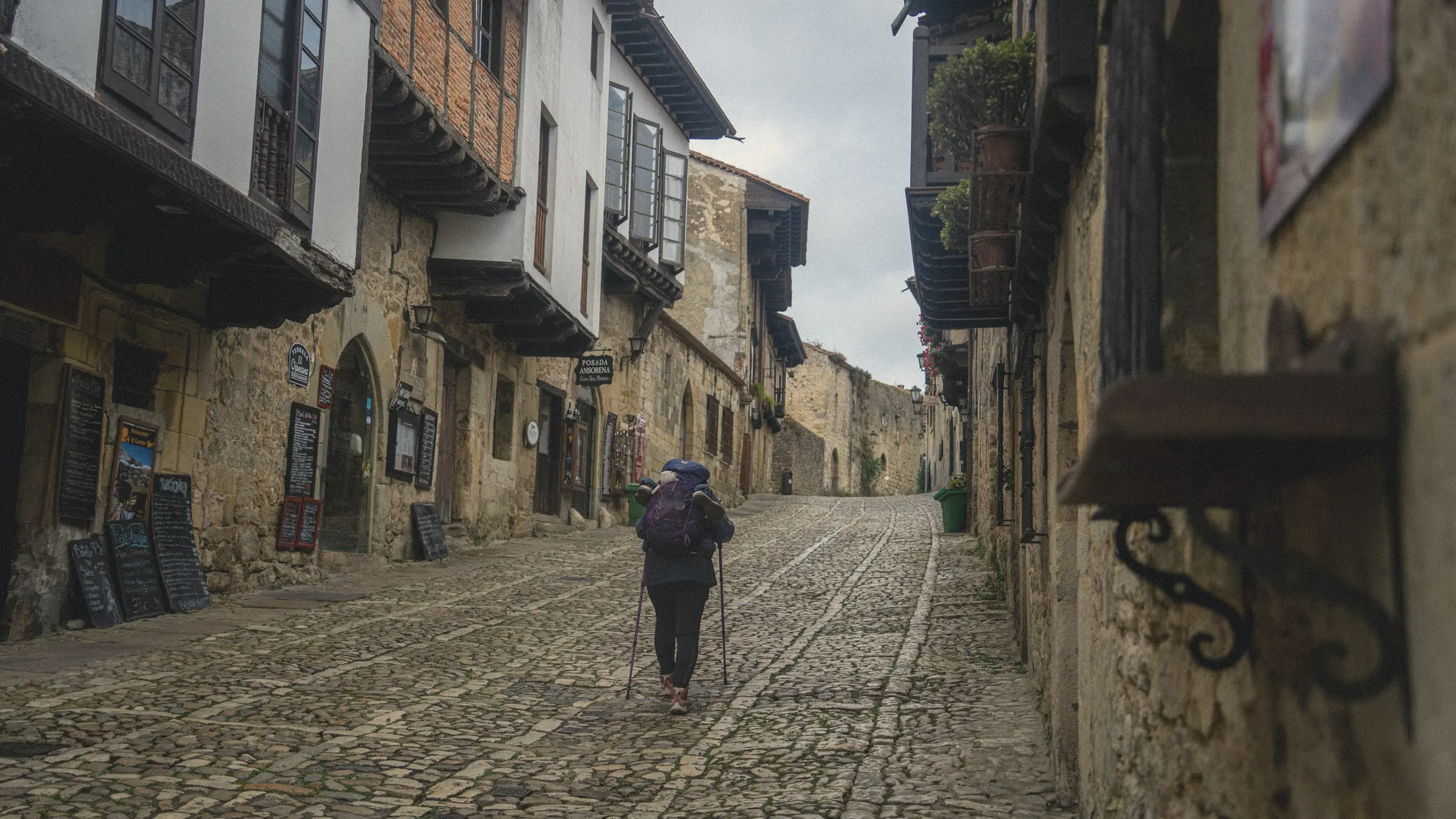
A stone lane in an old town, walked slowly enough to learn its name.
Key takeaways
- Most countries offer some legal route for people who want to live there on independent income rather than a job. Names vary: retirement, pensioner, passive income, non‑lucrative, financially independent or long‑stay visas.
- Requirements follow a familiar pattern: proof of income or savings, health insurance, a clean criminal record, accommodation and a valid passport.
- The headline income figure matters less than renewal rules, minimum stay, work rights, family rules and whether the visa leads to permanent residence or citizenship.
- Free movement areas such as the EU work differently: citizens of member states usually register rather than apply for a visa.
- Thresholds and procedures change often. Always use the official immigration authority or consulate, note the date you checked, and recheck before applying.
- Preparation is most of the work. Documents, translations and apostilles take longer than people expect.
For anyone thinking of retiring to another country, the first practical question is not "where is cheapest?" or "where is sunniest?" but "can I legally live there, for as long as I want?" The answer sits in a country's immigration rules, and in particular in the routes it offers to people who will live on pensions and savings rather than work.
This guide explains how those routes work in principle, so you can understand any country's offer quickly and compare them fairly. It deliberately avoids quoting income thresholds or fees, which change frequently, and shows you instead how to find and judge the current rules. It fits within our wider guides, How to Choose Where to Retire and How to Retire Abroad.
Visa, permit, residence: the vocabulary
Terms vary by country, but broadly:
- Visa: permission to enter a country for a purpose, often issued by a consulate before you travel.
- Residence permit or card: permission to live in the country, often issued after arrival by the immigration authority.
- Temporary residence: residence for a fixed period, renewable.
- Permanent residence: indefinite right to live in the country, usually after several years of temporary residence.
- Citizenship or naturalisation: becoming a national, with a passport and full rights.
A "retirement visa" is often a long‑stay visa that leads to a temporary residence permit, which may in turn lead to permanent residence.
The main types of route for retirees
1. Dedicated retirement or pensioner visas
Designed for people with a regular pension income. They usually require proof that a pension above a set amount is paid each month. Some are restricted to people above a minimum age.
2. Passive income or financially independent visas
Open to anyone who can prove sufficient regular passive income (pensions, rental income, dividends, interest) or savings, regardless of age. Many retirees use these where there is no dedicated pensioner route.
3. Non‑lucrative or "no work" residence
A residence category for people who will not work in the country and can support themselves. The name signals the key condition: you may not take local employment.
4. Investment or property‑linked residence
Residence granted in return for buying property, investing in a business or government bonds, or making a donation. These programmes are often modified or closed, and they come with significant financial risk. Treat them with particular caution.
5. Family‑based residence
If your spouse, child or another close relative is a citizen or resident, you may qualify through family reunification rules, which can be easier or harder than independent routes depending on the country.
6. Ancestry and citizenship by descent
Some countries grant residence or citizenship to people with parents or grandparents born there. If you are eligible, this can be the strongest route of all, removing the need for income thresholds and renewals.
7. Long‑stay tourist or visitor status
Some countries allow extended visits without residence. These are useful for trial stays, but they do not usually allow you to register as a resident, join public healthcare or count towards permanent residence.
8. Free movement
Citizens of member states in a free movement area can usually live in another member state without a visa, subject to conditions. In the European Union, citizens who are not working generally need sufficient resources and comprehensive health insurance, and must register after a set period; the EU's official Your Europe residence guidance explains the rules and the route to permanent residence after a period of continuous legal residence.
What countries usually ask for
Proof of income or savings
The core requirement. Questions to answer:
- Income or capital? Some routes require a regular monthly income; others accept a lump sum in a bank account; some accept either.
- Which income counts? State and workplace pensions almost always count. Rental income, dividends and annuities may or may not. Earnings from work usually do not.
- How is it proved? Pension letters, bank statements over a set number of months, sometimes certified and translated.
- Is the threshold linked to something? Many countries peg it to a local minimum wage or pension, so it changes year to year.
- Extra for dependants? Usually an additional amount per family member.
- Currency. If your income is in another currency, an exchange rate move can push you below the threshold at renewal. Build a margin.
Health insurance
Most routes require insurance that meets set conditions, for example comprehensive cover, no deductible or co‑payment, or an insurer authorised in the country. Some accept travel insurance for the first period; many do not. Read our guide to international health insurance and healthcare when you retire abroad.
Criminal record certificate
Usually from every country where you have lived for a set period recently. Certificates often expire after a few months and may need an apostille and translation.
Accommodation
A rental contract, property deed or, sometimes, a hotel booking for initial entry.
Medical certificate
Some countries require a doctor's certificate confirming you do not have certain illnesses.
Passport
Valid for a minimum period beyond your intended stay, with blank pages.
Fees
Application, residence card and sometimes biometric fees. Check the official schedule.
The features that matter more than the threshold
Length of the first permit and renewals
How long is the first permit? How long are renewals? At each renewal, will you need to prove income and insurance again? What happens if your income dips, for instance because of currency movements?
Minimum stay requirements
Many permits require you to spend a minimum amount of time in the country each year, or not be absent for more than a set period. This matters if you plan to spend months travelling or visiting family.
Work rights
Can you work at all? Can you do remote work for clients abroad, freelance locally, or volunteer? Unpaid work can be regulated too. See Volunteering in Retirement for why this matters.
Path to permanent residence and citizenship
How many years until you can apply for permanent residence? Do absences break the count? Are there language or integration tests? Does the country permit dual citizenship, and does your own country?
Family
Can a spouse or partner be included? Are unmarried partners recognised? What about adult dependants?
Tax consequences
A residence permit does not by itself make you tax resident, but living in a country usually does. Some countries offer special tax regimes to new residents; these change frequently. See How to Retire Abroad and get cross‑border tax advice.
Healthcare access
Does the permit allow you to join the public health system, and when? See Types of Healthcare Systems.
How to compare routes fairly
Build a simple table for each country on your shortlist:
| Question | Country A | Country B | Country C |
|---|---|---|---|
| Route name | |||
| Income or savings required (checked on date) | |||
| Insurance requirements | |||
| First permit length / renewal length | |||
| Minimum stay per year | |||
| Work allowed? | |||
| Years to permanent residence | |||
| Language or integration test? | |||
| Partner included? | |||
| Public healthcare access? | |||
| Official source URL |
This keeps you focused on long‑term security rather than the easiest first step.
Applying: a step‑by‑step approach
- Confirm the route on the official immigration authority or consulate website for your country of residence. Consulates in different countries sometimes apply rules differently.
- Make a document list and check each item's validity period.
- Order criminal record certificates and civil documents (birth, marriage) early.
- Arrange apostilles or legalisation under the Hague Apostille Convention, where applicable, or consular legalisation otherwise.
- Commission sworn or certified translations where required.
- Arrange insurance that satisfies the stated conditions.
- Prepare financial evidence in exactly the form requested.
- Book the appointment; wait times can be long.
- Apply, keeping copies of everything submitted.
- After arrival, complete local registration and collect your residence card within the deadline.
- Diary renewal dates well in advance.
When to use a professional
Consider a qualified immigration lawyer if your case is unusual (complex income, previous refusals, criminal record, mixed nationalities), if documents are in a language you do not read, or if a lot depends on getting it right first time. Check credentials and avoid anyone promising guaranteed outcomes.
Three illustrative situations
These are hypothetical examples to show how the principles apply, not descriptions of any country's current rules.
A couple with two state pensions and modest savings. Their combined pension income comfortably exceeds the threshold for a pensioner route in their chosen country, but one partner's pension is paid in a different currency. They keep a margin above the threshold and hold savings in reserve so that a currency fall at renewal time does not put their status at risk. They also confirm that the partner's residence does not depend entirely on the other's permit, or plan what would happen if it did.
An early retiree living on investments. At 58, she has no pension yet, only investment income and savings. A dedicated pensioner visa is not open to her, but a passive income route is. She checks whether dividends and interest count as income, how the authority wants them evidenced, and whether her savings could be counted instead. She also confirms whether occasional remote consulting would breach the "no work" condition.
A widower with ancestry. His grandmother was born in the country he hopes to move to. Before applying for any income‑based visa, he checks the citizenship‑by‑descent rules. If eligible, citizenship would remove the need for renewals and income tests altogether, though gathering historic records may take a long time.
Questions to put to the official authority
When rules are unclear, ask in writing and keep the reply:
- Which income sources count towards the requirement, and in what form must they be evidenced?
- Is the requirement assessed at each renewal, and on what basis?
- How much time may I spend outside the country without affecting my status or path to permanent residence?
- Does this permit allow any form of work, including remote work for foreign clients or unpaid volunteering?
- What insurance exactly satisfies the requirement?
- Can my partner be included, and are unmarried partnerships recognised?
- When does this status allow registration with the public health system?
- How many years count towards permanent residence, and are there language or integration requirements?
Clear answers to these questions are worth more than any summary table, including ours.
Common pitfalls
- Relying on blogs or forums for thresholds and rules; they are often out of date.
- Letting documents expire before the appointment.
- Arriving on a tourist entry and assuming you can switch to residence in the country; many countries require you to apply from abroad.
- Insurance that does not meet the exact requirements.
- Too little income margin for currency swings.
- Overstaying absences that break residence continuity.
- Ignoring the partner's status, especially for unmarried couples.
- Investment schemes chosen for the visa rather than the investment's merits.
Planning for the long term
Think beyond the first permit. Ask how your status would hold up if:
- your income fell or exchange rates moved;
- you needed to spend months away caring for family;
- your partner died, if your status depends on theirs;
- the country changed its rules.
Permanent residence, or citizenship where possible, provides the most security. Factor the path to it into your choice of country. Your status also interacts with succession law and documents; see Wills and Estates Across Borders, Forced Heirship Explained and Power of Attorney Across Countries.
Money planning matters too. Visa income tests usually look at secure income; if you rely partly on savings, see Retirement Drawdown, The 4% Rule Explained and Sequence-of-Returns Risk.
Life after the permit
The permit is the beginning. Building friendships, purpose and routines is what makes a place home. See How to Find Purpose After Retirement and Loneliness and Connection After Retirement.
Frequently asked questions
What is a retirement visa?
A residence route for people who will live on pensions or other independent income rather than local employment. Names and rules differ by country.
Do I need to be a certain age for a retirement visa?
Some dedicated pensioner visas have a minimum age. Many passive income or financially independent routes have no age limit and only require sufficient income.
How much income do I need?
It varies by country and often changes, sometimes linked to local minimum wages. Check the official immigration authority and keep a margin for currency moves.
Can I work on a retirement visa?
Often not, or only in limited ways. Check the specific route; some allow remote work or self‑employment, many do not.
Does a retirement visa lead to citizenship?
Sometimes, via permanent residence after several years, often with language and presence requirements. Check whether both countries allow dual citizenship.
Can I apply after arriving as a tourist?
In many countries you must apply from your country of residence before travelling. Some allow in‑country applications. Check the official rules.
What if my visa is refused?
Ask for the reasons in writing, check whether you can appeal or reapply, and consider professional advice before trying again.
Keep exploring onwora
- Place: How to Choose Where to Retire · How to Retire Abroad · Retirement Visas Explained
- Money: Retirement Drawdown · The 4% Rule Explained · Sequence-of-Returns Risk
- Health: Healthcare When You Retire Abroad · International Health Insurance Explained · Types of Healthcare Systems
- Purpose: How to Find Purpose After Retirement · Loneliness and Connection After Retirement · Volunteering in Retirement
- Legacy: Wills and Estates Across Borders · Forced Heirship Explained · Power of Attorney Across Countries
This guide is general information, not legal or immigration advice. Rules and thresholds change; check the official immigration authority and seek qualified advice for your situation.