The Best Places to Retire in the World: Ten Countries Compared, and How to Choose Between Them
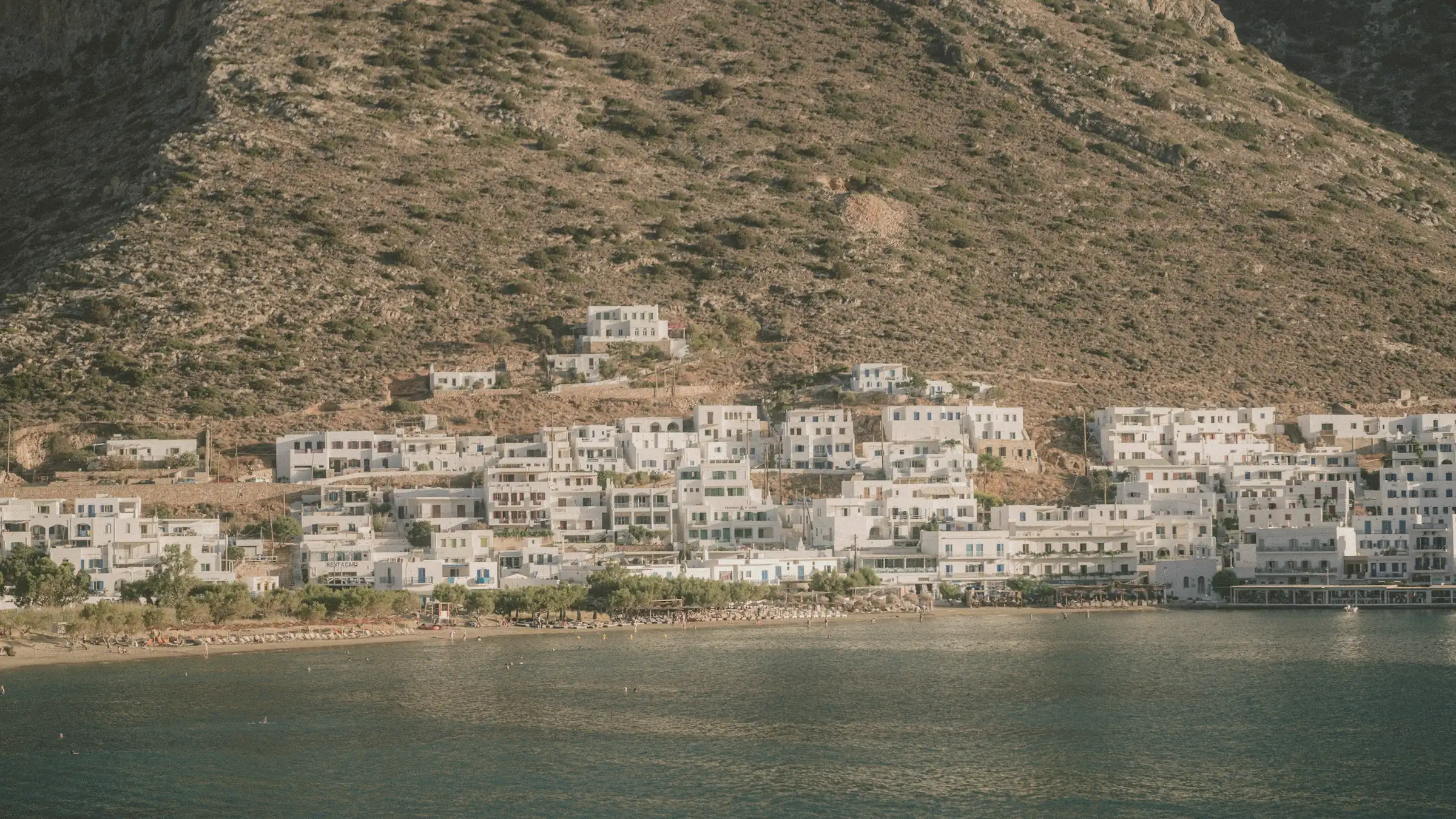
Sifnos, Cyclades: a white village gathered at the water's edge, where the island keeps its own slow time.
Key takeaways
- There is no single best place to retire. There are places with durable strengths, and the right one is the place whose strengths match your needs.
- The ten countries in this guide were chosen for structural qualities that change slowly: a residence route open to retirees, reliable healthcare, a liveable climate, safety, a cost structure that rewards a pension income, an established international community and good connections to the rest of the world.
- They are: Portugal, Spain, Greece, France, Malta, Mexico, Panama, Costa Rica, Malaysia and Thailand.
- Europe offers strong public healthcare, rule of law and, for EU citizens, free movement. Latin America offers lower costs, warmth and long‑standing retiree routes. South‑East Asia offers excellent private hospitals and value, with more paperwork.
- Visa rules, income thresholds, tax regimes and prices change often. This guide explains how things work in principle and links to official sources; always check the current rules before you act.
- Visit, then trial‑live, before you commit. Rent before you buy.
Every year a new list announces the world's best places to retire. The names shuffle up and down, a new favourite appears, and last year's winner slips. Those lists can be fun, but they are a poor basis for the biggest decision of your later life. What makes a place good for retirement is rarely what changed this year. It is the things that change slowly: the climate, the health system, the legal routes for people who want to live there on a pension, the rule of law, the cost structure, the language, the airport.
This guide takes that longer view. We have looked at ten countries that, by those durable measures, have been attractive to people retiring from many parts of the world for a long time, and are built in ways that are likely to keep them attractive. For each one we explain why people choose it, who it suits and who it does not, where people tend to live, how residence works in principle, what healthcare looks like, how costs and taxes work, and the honest downsides.
We do not quote income thresholds, fees, tax rates or rankings. They change too often, and a guide that relies on them is out of date within a year. Instead, we explain the structure and link to the official sources where you can check today's figures.
How we chose the ten
We started with countries that repeatedly appear in international surveys of retirees and expatriates, and that are already well established as homes for people from abroad. We then tested each against durable criteria:
- A legal route to live there on a pension or passive income, or free movement for citizens of a regional bloc.
- Healthcare that a foreign resident can realistically access, publicly or privately, at a good standard in the main retirement areas.
- Climate that many people find comfortable for much of the year.
- Safety and stability, including predictable laws and property rights.
- A cost structure that lets a pension go further than in many high‑cost countries, or that offers strong value for what you pay.
- An established international community and services in English or other widely spoken languages.
- Connectivity: airports with good links to the rest of the world.
- Tax treatment that is at least understandable and, in principle, not hostile to pension income.
We also aimed for diversity: five European countries, three in Latin America and two in South‑East Asia, covering different budgets, climates and ways of life.
Many other places could have made the list, including Italy, Cyprus, Uruguay, Colombia, Ecuador, Vietnam and New Zealand. Some narrowly missed on one criterion. New Zealand, for example, has excellent quality of life but few practical routes for retirees without large investments. Others are discussed briefly at the end.
The ten at a glance
Ratings are qualitative and relative within this group of ten. They describe the typical experience in the main retirement areas, not every town, and they are a starting point for your own research.
| Country | Climate | Healthcare for residents | Retiree residence route | Relative cost | English widely used | Connectivity | Best for |
|---|---|---|---|---|---|---|---|
| Portugal | Mild, sunny | Good public and private | Established | Moderate | Fairly common in hubs | Very good | Calm European life, coastal towns |
| Spain | Warm to hot, sunny | Very good public and private | Established | Moderate | Common in coastal hubs | Excellent | Sociable, varied, well connected |
| Greece | Hot summers, mild winters | Mixed public, good private | Established | Moderate | Common in tourist areas | Good | Island and coastal living, culture |
| France | Varied, temperate to Mediterranean | Excellent public | Established | Moderate to higher | Limited outside cities | Excellent | Culture, food, countryside |
| Malta | Hot summers, mild winters | Good, mainly private for non‑EU | Established, higher bar | Moderate to higher | Official language | Good | English speakers wanting EU life |
| Mexico | Varied, mild highlands to tropical coast | Good private in cities | Established | Lower | Common in expat towns | Very good to North America | Value, culture, proximity to US and Canada |
| Panama | Tropical, cooler highlands | Good private in the capital | Established, retiree‑friendly | Lower to moderate | Common in the capital | Very good regional hub | US‑dollar economy, retiree benefits |
| Costa Rica | Tropical, spring‑like Central Valley | Public system residents must join, plus private | Established | Moderate | Fairly common | Good | Nature, stability, healthy outdoor life |
| Malaysia | Hot, humid, equatorial | Very good private | Exists, rules change | Lower | Very common | Very good | English‑friendly Asian city life |
| Thailand | Hot, tropical, seasonal | Very good private | Established, admin‑heavy | Lower | Common in hubs | Excellent | Warmth, value, top private hospitals |
1. Portugal

Lisbon, Portugal
Why people retire here
Portugal combines a mild Atlantic climate, a calm and courteous culture, long coastlines, compact historic cities and a cost of living that is moderate by Western European standards. It is an EU member state, which means stable institutions, good infrastructure and, for EU citizens, the right to move freely. It has also built a large international community over decades, particularly along the southern Algarve coast and around Lisbon.
Who it suits, and who it doesn't
Suits: people who want a gentle pace, sea air, a temperate climate, good food and an easy flight to the rest of Europe; those with a moderate budget; people comfortable learning some Portuguese over time.
Less suited to: those who want guaranteed year‑round heat (Atlantic winters can be damp, and many older homes lack insulation and central heating); people on very low budgets who want to live in Lisbon's most popular districts; anyone who struggles with slow bureaucracy.
Where people live
- Lisbon and the coast to its west (Cascais, Estoril, Sintra): city life with beaches nearby.
- Porto and the north: a greener, cooler, more traditional region.
- The Algarve: the sunny south coast, long popular with retirees, with towns such as Lagos, Tavira and Faro.
- The Silver Coast: quieter towns north of Lisbon.
- Madeira: a subtropical island with a mild climate all year.
How residence works in principle
- EU, EEA and Swiss citizens can live in Portugal under EU free movement rules and register their residence locally (Your Europe, residence rights).
- Others commonly use a residence visa for retirees and people with passive income, widely known as the D7 visa. In principle it asks for proof of stable, regular passive income such as a pension, accommodation in Portugal, health cover and a clean criminal record. You apply at a Portuguese consulate, then complete residence formalities in Portugal. Official information on national visas is published by the Ministry of Foreign Affairs (Portuguese visa portal), and government services are listed on the ePortugal portal.
- Residence can lead to permanent residence and, eventually, citizenship, subject to conditions including time and language.
Healthcare
Legal residents can register with the national health service, the SNS (SNS), and with a local health centre. Public care is generally good, though waits for non‑urgent care can be long and services in rural areas are thinner. Many retirees add private health insurance for faster access and English‑speaking doctors. EU state pensioners may be covered through EU coordination arrangements.
Cost structure
Moderate overall. Housing in Lisbon, Cascais, Porto and the most popular Algarve towns has become much more expensive than elsewhere in the country; inland and smaller coastal towns remain far cheaper. Everyday food and eating out are good value. Heating in winter can be a real cost in poorly insulated homes. See our method for comparing cost of living.
Tax considerations in principle
Tax residents are generally taxed on worldwide income, with double tax treaties determining how foreign pensions are treated. Portugal's best-known special regime for new residents, which once offered favourable treatment of foreign pensions, has closed to new applicants; its successor is aimed at specific professions rather than retirees and does not extend that pension treatment. Most retirees arriving now should expect ordinary Portuguese rules, coordinated by tax treaties. Never move on the basis of a regime you read about online; take advice on the current rules from someone qualified in both countries.
Practical downsides
- Bureaucracy can be slow, with long waits for residence appointments.
- Damp, cold homes in winter are common.
- Popular areas have seen strong rises in rents and property prices.
- Outside hubs, English is less widely spoken.
2. Spain
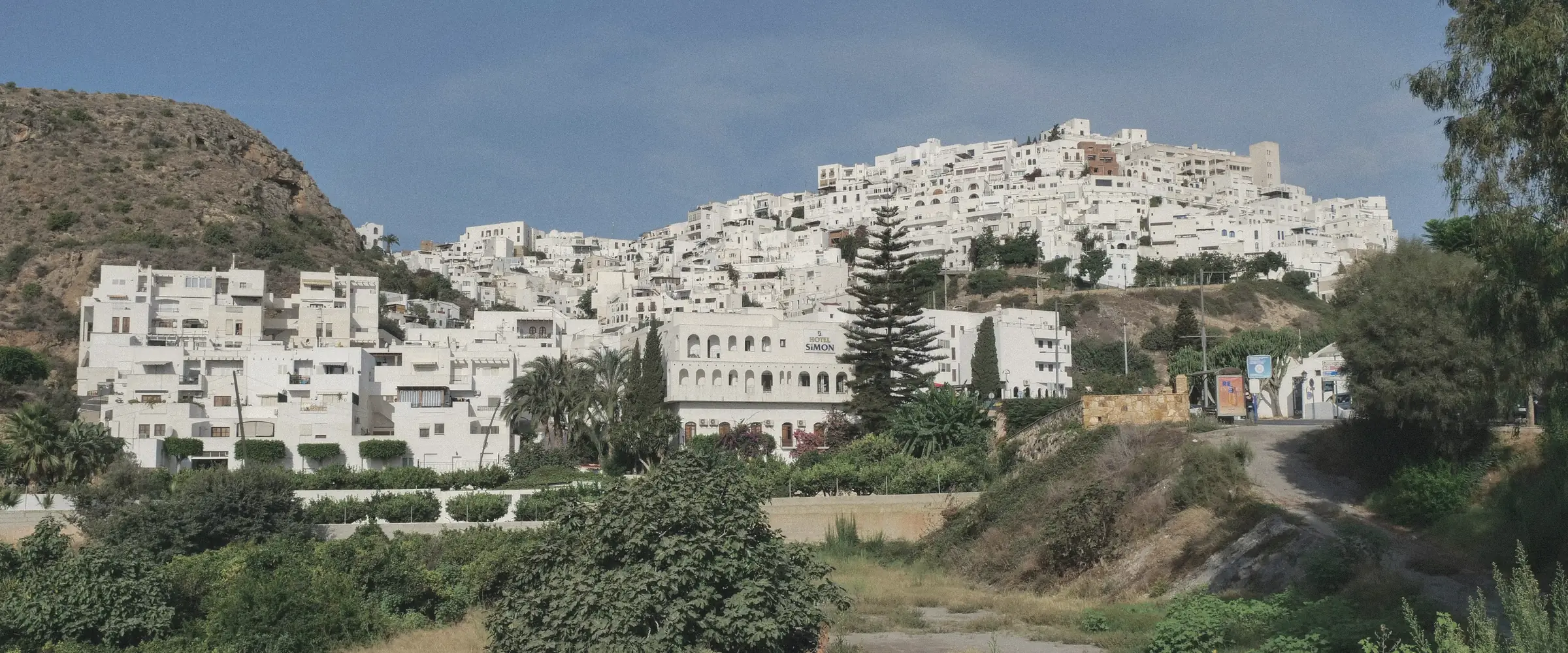
Mojácar, Almería, Spain
Why people retire here
Spain offers sunshine, an outdoor and sociable way of life, excellent food, a strong public health system, efficient transport, and enormous variety, from Mediterranean beaches to mountain villages, island life to great cities. It has hosted retirees from Northern Europe for generations, so services and communities are well established.
Who it suits, and who it doesn't
Suits: people who love warmth, social life, walking and eating out; those who want excellent connections by air and rail; people at moderate budgets; those who will learn some Spanish.
Less suited to: anyone who dislikes intense summer heat in the south and interior; those who want a quiet life in high‑season tourist hotspots; people who expect to work while on a non‑working visa.
Where people live
- Costa del Sol (Málaga, Marbella, Nerja): established international communities, an airport with wide connections.
- Costa Blanca (Alicante, Jávea, Altea): sunny, popular with retirees.
- Valencia: a liveable city with beaches and a mild climate.
- The Canary Islands: spring‑like temperatures all year.
- Andalusian cities (Seville, Granada): culture and history, hot summers.
- The green north (Asturias, Galicia, Cantabria): cooler and quieter.
How residence works in principle
- EU, EEA and Swiss citizens register under free movement rules.
- Others commonly use the non‑lucrative residence visa (residence without gainful activity). In principle it requires sufficient, regular means to live without working, public or private health insurance from an insurer authorised to operate in Spain, a clean criminal record and a medical certificate; it does not allow work in Spain. Spanish consulates publish the current requirements (Spanish consulate, non‑working residence visa). Spain abolished its investor residence route, including residence through property purchase, by law in 2025 (La Moncloa announcement), a reminder that such routes come and go.
Healthcare
Spain's public health system is widely respected and organised by region. Residents who are not covered through work or an EU pension may be able to join through a paid special agreement after a period of residence, depending on regional rules. Private insurance is required for the non‑lucrative visa and is reasonably priced compared with many countries. See Types of Healthcare Systems.
Cost structure
Moderate. Coastal hotspots, Madrid, Barcelona and the Balearic Islands are expensive for housing; inland towns and many parts of the north and south are much cheaper. Food, wine and eating out are good value.
Tax considerations in principle
Tax residents are generally taxed on worldwide income. Spain has regional variation in some taxes, including wealth and inheritance taxes, which can matter a great deal to retirees with significant assets. There are also annual reporting obligations for assets held abroad. Get specialist advice before becoming resident; see Wills and Estates Across Borders.
Practical downsides
- Summer heat in the south and interior can be severe.
- Bureaucracy and appointment systems can be frustrating.
- Popular coastal areas are busy in high season.
- The non‑lucrative visa does not permit work.
3. Greece
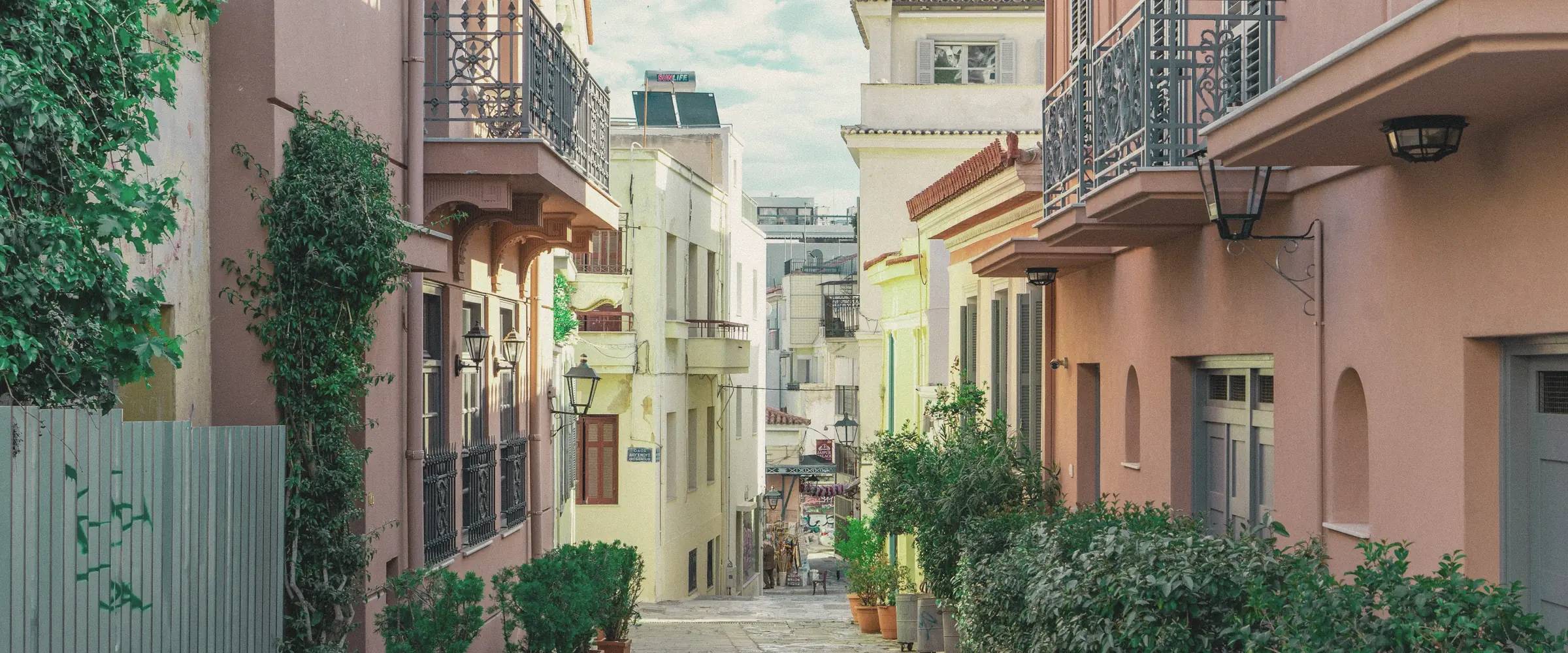
Plaka, Athens, Greece
Why people retire here
Greece offers sea and sun, thousands of islands and a long coastline, a deep history and a warm, family‑centred culture. Life is outdoors for much of the year, the food is simple and excellent, and the cost of living outside Athens and the most fashionable islands is moderate. It is an EU member with a growing international community.
Who it suits, and who it doesn't
Suits: people drawn to island or coastal life, culture and history; those happy with a slower, sometimes improvised way of doing things; people at moderate budgets; those willing to learn some Greek.
Less suited to: people who need frequent specialist care far from a major city; those who find intense summer heat difficult; anyone who needs efficient bureaucracy; those who dislike quiet winters on small islands.
Where people live
- Athens and the Athens Riviera: city life and coastal suburbs, with the country's best hospitals.
- Crete: a large island with towns, hospitals and an airport, and a long season.
- The Peloponnese: mainland coast and countryside, a drive from Athens.
- Corfu and the Ionian Islands: greener, with milder summers than the Aegean.
- Thessaloniki and the north: a lively second city with lower costs.
How residence works in principle
- EU, EEA and Swiss citizens register under free movement rules.
- Others commonly use the financially independent persons residence permit, for people with sufficient regular resources who will not work or carry on economic activity in Greece. In principle it requires a national (Type D) visa from a Greek consulate, proof of sufficient stable resources such as a pension, health insurance, a clean criminal record and accommodation, followed by a residence permit application in Greece. Greece also offers an investment‑based residence route linked to property or other investments, whose conditions have changed several times. The legal basis is Greece's Migration Code, and the Ministry of Migration and Asylum publishes official information (Ministry of Migration and Asylum); the national visa itself is issued by Greek consulates.
Healthcare
Greece has a public system funded through social insurance, with access for insured residents. Quality varies considerably: large hospitals in Athens, Thessaloniki and Crete are good, while smaller islands have limited facilities, and serious cases may need transfer to the mainland. Most foreign retirees, and many Greeks, use private clinics and insurance for speed. See Healthcare When You Retire Abroad.
Cost structure
Moderate. Athens' popular districts and islands such as Mykonos and Santorini are expensive; much of the mainland, Crete and the Peloponnese is good value. Heating can be costly in older homes in winter, and island goods can cost more because of transport.
Tax considerations in principle
Tax residents are generally taxed on worldwide income. Greece offers an alternative flat-rate taxation regime for people who receive a foreign pension and transfer their tax residence to Greece, applied for through the tax authority and available for a limited number of years. It has eligibility conditions, including not having been Greek tax resident in most of the preceding years and moving from a country that cooperates with Greece on tax matters, and its procedures have been amended over time. Take advice before moving.
Practical downsides
- Bureaucracy is famously slow and paper‑based in places.
- Healthcare on small islands is limited.
- Summers are hot, and wildfire risk is a growing concern in some areas.
- Small islands can feel isolated in winter, with reduced ferries and flights.
4. France
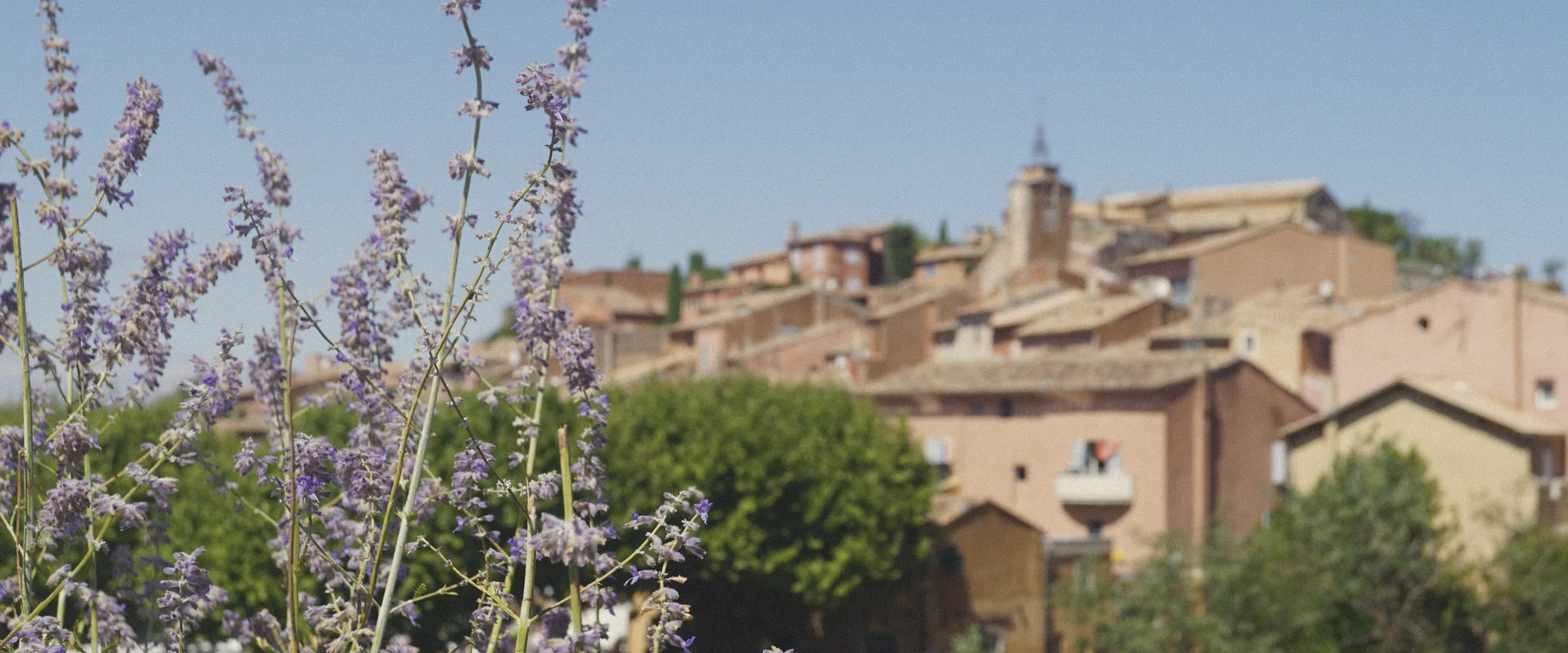
Roussillon, Provence, France
Why people retire here
France offers a world‑famous food and wine culture, beautiful countryside, historic villages and towns, an outstanding public health system and excellent transport. Its regions are enormously varied, from the sunny Mediterranean south to the green Atlantic west. Many retirees choose rural France for space, peace and character homes.
Who it suits, and who it doesn't
Suits: people who love culture, food, countryside and village life; those who value a strong public health system; people prepared to learn French; those with moderate to comfortable budgets.
Less suited to: people unwilling to learn French (outside major cities and some regions, English is limited); those who want year‑round warmth outside the Mediterranean south; anyone who dislikes paperwork.
Where people live
- Provence and the Côte d'Azur: Mediterranean light, higher costs.
- Occitanie (including Montpellier and the Languedoc): sunny and somewhat more affordable.
- Nouvelle‑Aquitaine (Dordogne, Charente, Bordeaux): countryside, rivers and stone villages; long popular with British retirees.
- Brittany and Normandy: green, coastal, mild and closer to the UK.
- Paris and other major cities: culture and services, high costs.
How residence works in principle
- EU, EEA and Swiss citizens live in France under free movement rules.
- Others commonly use the long‑stay "visitor" visa (a long‑stay visa for people who will not work), followed by a residence permit if staying longer. In principle it requires sufficient resources, health insurance, accommodation and an undertaking not to work in France. Applications go through the official France‑Visas portal, and the government's Service‑Public site explains residence permits for foreign nationals.
Healthcare
France's public health insurance covers people who live in France in a stable and regular way, after a period of residence, administered through the national health insurance body (Ameli). Most people also take complementary insurance (a mutuelle) to cover co‑payments. EU state pensioners may be covered through EU coordination arrangements. Quality is high, though some rural areas have shortages of doctors.
Cost structure
Moderate to higher. Rural areas offer some of the best‑value property in Western Europe, while Paris and the Riviera are expensive. Daily costs are moderate; property taxes, heating large old houses and running a car in the countryside add up.
Tax considerations in principle
Tax residents are generally taxed on worldwide income, with treaties determining the treatment of foreign pensions. France has a tax on high‑value real estate holdings and social charges that may apply to some income; EU pensioners covered by another country's health system may be treated differently for some charges. Inheritance rules include forced heirship for children; see Forced Heirship Explained.
Practical downsides
- Language is essential for daily life in most regions.
- Administrative processes can be complex.
- Rural living usually means driving.
- Some rural areas have few doctors.
5. Malta
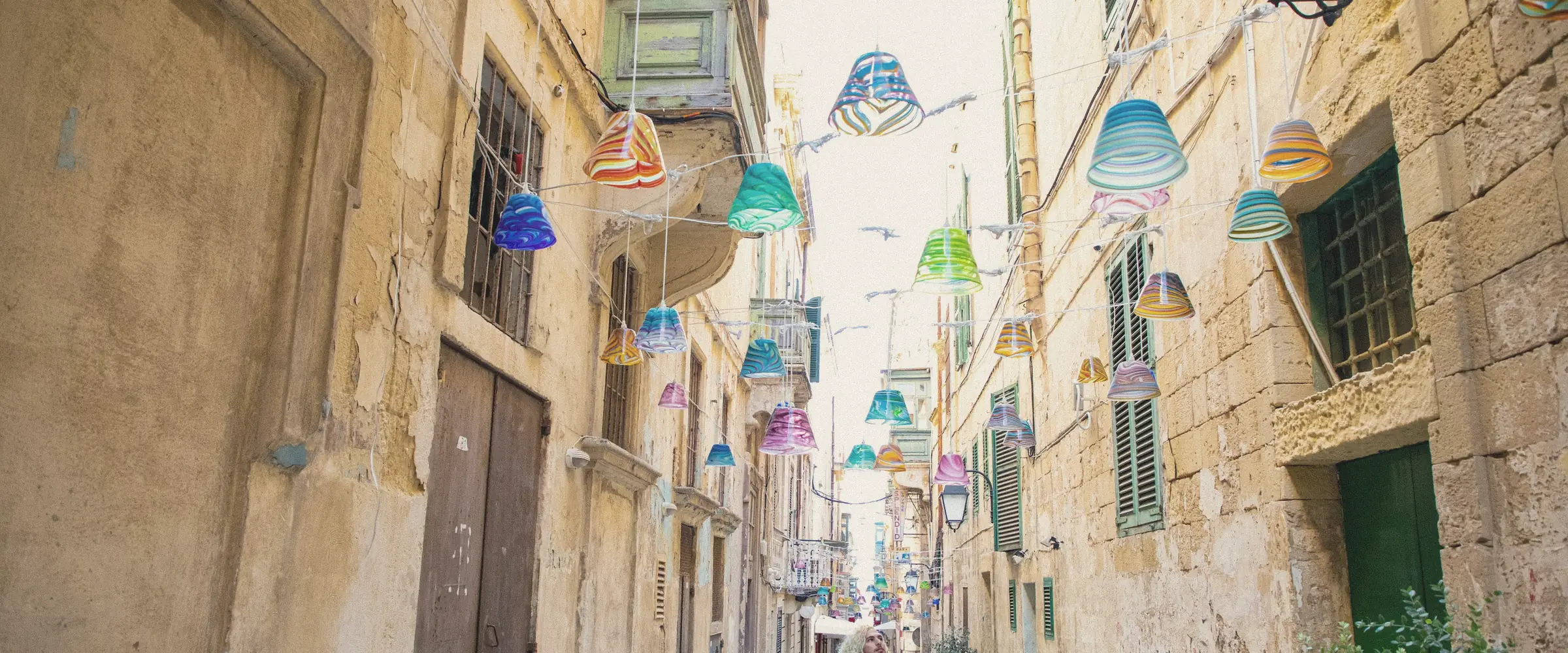
Valletta, Malta
Why people retire here
Malta is a small Mediterranean island nation in the EU where English is an official language alongside Maltese. It offers sunshine, the sea, a long history, a safe environment and a legal and administrative system familiar to people from common‑law countries. It is compact, so most things are close at hand.
Who it suits, and who it doesn't
Suits: English speakers who want EU life in the Mediterranean without learning a new language; people who enjoy sea, sun and a busy social scene; those with moderate to comfortable budgets.
Less suited to: people who want space, countryside and quiet; anyone who dislikes traffic, construction or crowds; those on tight budgets.
Where people live
- Sliema and St Julian's: busy, urban, seafront living.
- Valletta and the Three Cities: historic and atmospheric.
- Mellieħa and the north: beaches and quieter areas.
- Gozo: the smaller sister island, greener and calmer, connected by ferry.
How residence works in principle
- EU, EEA and Swiss citizens register under free movement rules.
- Others can use routes administered by the Residency Malta Agency (Residency Malta), including a permanent residence programme based on property and financial contributions. Malta has also offered special tax status programmes for retirees and other residents, administered by the tax authorities, with conditions on income, property and time spent in Malta. These programmes have been revised and consolidated over time, most recently into a single programme for new applicants, so check the current version. In principle, routes require proof of resources, property purchase or rental, health insurance, a clean record and due diligence checks. The financial bar is generally higher than for the other European countries in this guide.
Healthcare
Malta has a public health system and a well‑regarded main hospital, with entitlement depending on status. Non‑EU residents commonly need private insurance, and many residents use private clinics for speed. Gozo has its own general hospital.
Cost structure
Moderate to higher. Rents and property prices are high relative to the island's size, especially in popular areas. Everyday costs are moderate.
Tax considerations in principle
Residents who are not domiciled in Malta are generally taxed on Maltese income and on foreign income brought into Malta (the remittance basis), with minimum tax amounts applying in some cases. Special programmes for retirees add further conditions and change from time to time. These rules are technical; take specialist advice.
Practical downsides
- It is small and densely built, with traffic and ongoing construction.
- Summers are hot and humid, with limited green space.
- Costs are higher than in many places with similar climates.
6. Mexico

San Miguel de Allende, Guanajuato, Mexico
Why people retire here
Mexico combines a rich culture, a wide range of climates, good value and proximity to the United States and Canada. Its highland towns enjoy spring‑like weather much of the year, its coasts offer sea and sun, and long‑established retiree communities make settling in easier.
Who it suits, and who it doesn't
Suits: North Americans who want to stay within easy reach of family; people at lower to moderate budgets; those who love culture, food and colour; people willing to learn Spanish.
Less suited to: people who are uncomfortable with variable personal safety between regions; those who need public healthcare as their main route; anyone who dislikes changing rules and paperwork.
Where people live
- San Miguel de Allende and Querétaro: colonial highland towns with mild weather.
- Lake Chapala and Ajijic (near Guadalajara): a long‑established retiree community.
- Mérida and the Yucatán: a colonial city with hot weather and a reputation for calm.
- Puerto Vallarta and the Pacific coast: beach life.
- Oaxaca and Mexico City: culture, food and city life.
How residence works in principle
Mexico offers temporary residence and permanent residence on the basis of economic solvency, which in principle means proving regular income such as a pension, or savings, above set levels. Retirees with sufficient pension income or savings may be able to apply directly for permanent residence, though the financial bar for this is higher than for temporary residence. Applications usually begin at a Mexican consulate abroad and are completed with the National Migration Institute in Mexico (Instituto Nacional de Migración; Mexican consulates). Consulates may apply requirements somewhat differently.
Healthcare
Most foreign retirees use private hospitals and doctors, which in major cities are of good quality and cost much less than in the United States. Legal residents can enrol voluntarily in the Mexican Social Security Institute (IMSS) as independent contributors, which gives access to its medical services (IMSS, foreigners in Mexico); certain pre‑existing conditions can be excluded or subject to waiting periods, so check the current rules before relying on it. International or local private insurance is common. US Medicare does not generally cover care in Mexico.
Cost structure
Lower. Housing, services and everyday costs are generally well below those in the United States, Canada and most of Western Europe, although popular expat towns are noticeably more expensive than elsewhere.
Tax considerations in principle
Tax residents are generally taxed on worldwide income, with treaties affecting pensions. US citizens remain subject to US tax wherever they live (IRS). Take advice.
Practical downsides
- Personal safety varies considerably by region; check your government's travel advice and choose carefully.
- Bureaucracy and consular practice can be inconsistent.
- Public healthcare is not the usual route for foreign retirees.
7. Panama
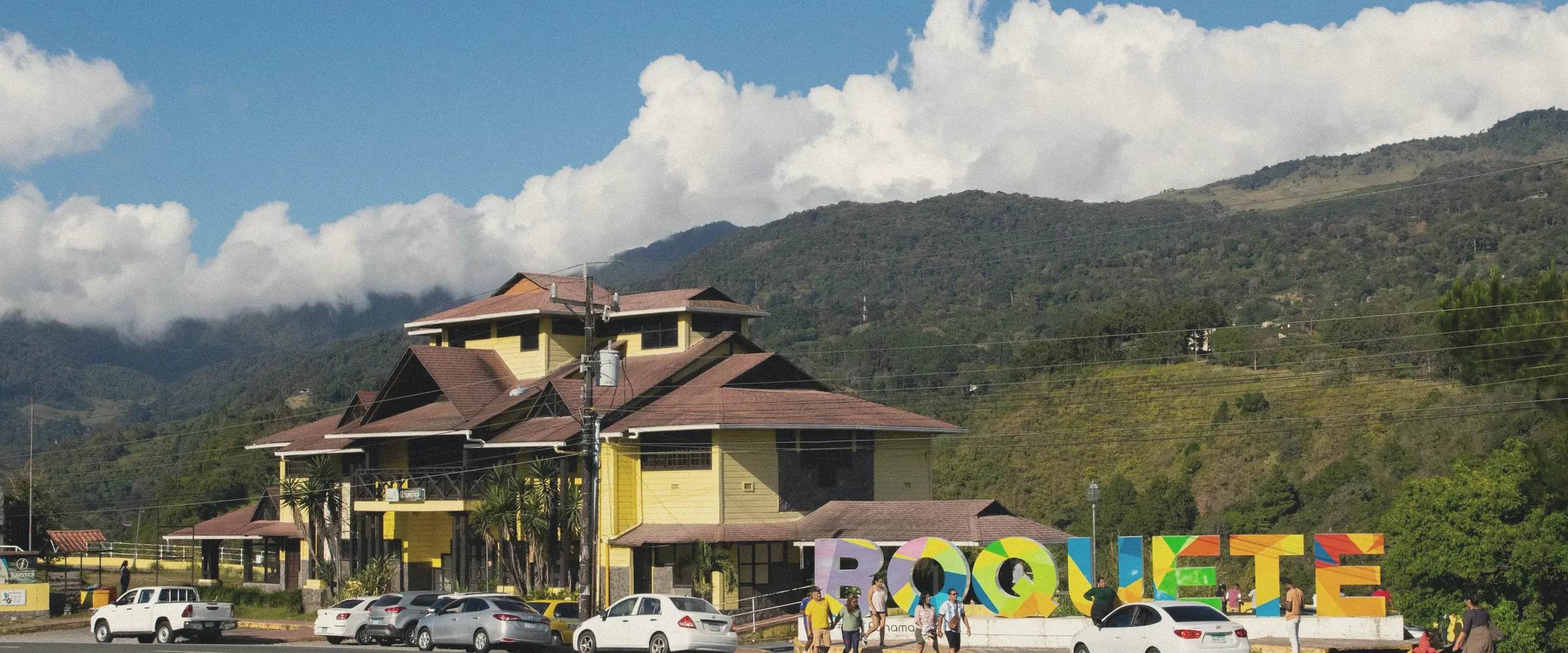
Boquete, Chiriquí, Panama
Why people retire here
Panama has long courted retirees with a dedicated residence route and a set of retiree discounts, and it uses the US dollar, which removes currency risk for people with dollar incomes. Panama City is a modern hub with an international airport and good private hospitals, while cooler highland towns offer a slower pace.
Who it suits, and who it doesn't
Suits: people with a secure lifetime pension; those with US‑dollar income; people who want a modern capital with easy flights; those at lower to moderate budgets.
Less suited to: people who dislike heat, humidity and long rainy seasons on the coast; those needing high‑quality specialist care outside the capital.
Where people live
- Panama City: a high‑rise capital with services, shops and hospitals.
- Boquete: a cool highland town popular with retirees.
- Coronado and the Pacific beaches: beach communities within reach of the capital.
- Pedasí and the Azuero Peninsula: quieter, traditional.
- Bocas del Toro: Caribbean islands.
How residence works in principle
Panama's best‑known route is the Pensionado (retiree) permanent residence permit, which in principle requires proof of a lifetime pension from a foreign government, international organisation or private company above a set monthly level, and is filed through a Panamanian lawyer (official procedure on Panamá Digital). Panama has also offered a Friendly Nations route for citizens of listed countries, linked to economic ties such as property, a deposit or employment. Applications are processed by the National Migration Service (Servicio Nacional de Migración).
Healthcare
Private hospitals in Panama City are of good quality, some with international affiliations, and cost less than in the United States. Outside the capital, facilities are more limited. Most retirees rely on private insurance or pay directly; retiree discounts can reduce some medical costs.
Cost structure
Lower to moderate. Panama City can be relatively expensive for housing and imported goods; the interior is much cheaper.
Tax considerations in principle
Panama has historically used a territorial tax system, in which income from foreign sources is generally not taxed in Panama. Rules can change, and your home country may still tax you. Take advice.
Practical downsides
- Heat, humidity and a long rainy season in many areas.
- Specialist care is concentrated in the capital.
- Bureaucracy usually requires a lawyer.
8. Costa Rica
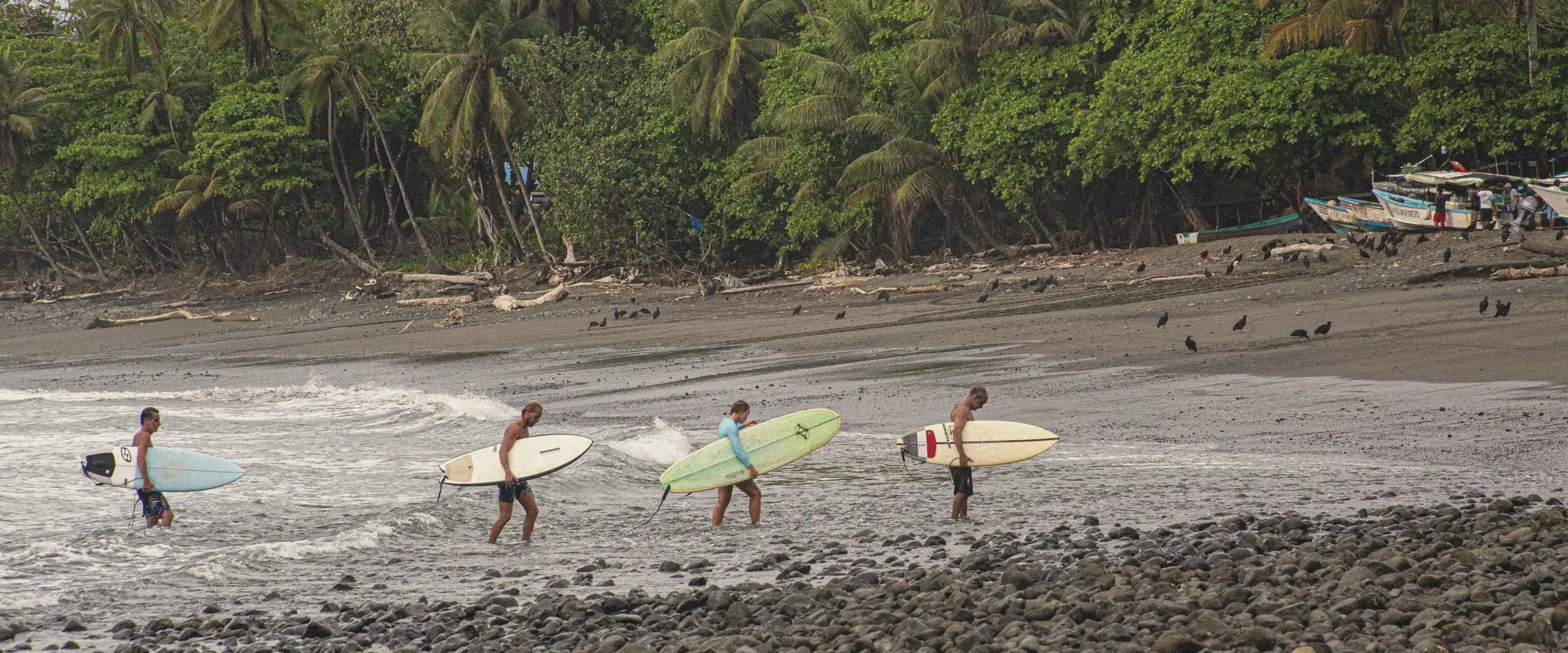
Pavones, Puntarenas, Costa Rica
Why people retire here
Costa Rica is known for political stability, abundant nature and a health‑conscious, outdoor way of life. Its Central Valley has a spring‑like climate at altitude, while the coasts offer beaches and rainforest. It has welcomed retirees for decades, and residents participate in the national social security health system.
Who it suits, and who it doesn't
Suits: nature lovers; people who value stability and a peaceful culture; those at moderate budgets; people comfortable with Spanish and a rural or small‑town life.
Less suited to: those seeking the lowest costs in Latin America (Costa Rica is pricier than many neighbours); people who dislike long rainy seasons and slow roads; anyone wanting big‑city culture.
Where people live
- The Central Valley (Escazú, Santa Ana, Atenas, Grecia): mild climate near the capital and hospitals.
- Guanacaste: the drier north‑west Pacific coast, with an international airport.
- The Southern Pacific (Dominical, Uvita): rainforest and beaches.
- The Caribbean coast: a laid‑back culture, more remote.
How residence works in principle
Costa Rica's main routes for retirees are Pensionado residence, which in principle requires a permanent pension above a set monthly level, and Rentista residence, which requires a guaranteed regular income or deposit for a period. Residents are generally required to enrol in the national social security system. Applications are processed by the General Directorate of Migration (Dirección General de Migración y Extranjería), commonly with a lawyer's help.
Healthcare
Legal residents must join the public social security system, known as the CCSS or "Caja", paying monthly contributions based on income. It covers a wide range of care, including existing conditions, though waits can be long. Many retirees combine it with private care for speed, especially around San José, where private hospitals are good.
Cost structure
Moderate. Imported goods, cars and electronics are expensive; local food and services are reasonable. Popular beach areas have higher housing costs.
Tax considerations in principle
Costa Rica has traditionally taxed individuals mainly on income from Costa Rican sources, so foreign pensions have generally not been taxed there. Proposals to tax some foreign passive income have been put forward more than once, so check the current position and take advice.
Practical downsides
- Higher costs than many Latin American neighbours.
- Roads and infrastructure can be slow, especially in the rainy season.
- Specialist care is concentrated around the capital.
9. Malaysia
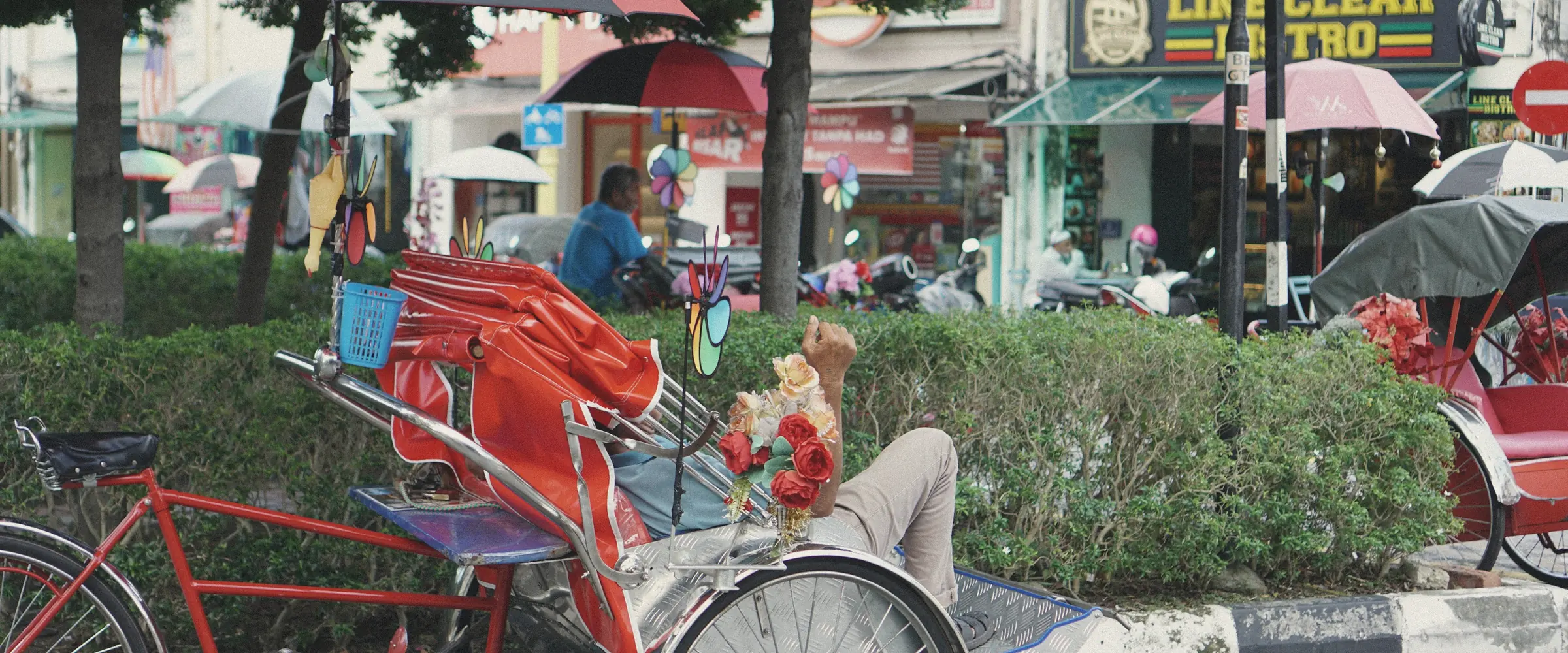
George Town, Penang, Malaysia
Why people retire here
Malaysia offers modern cities, very good private hospitals, a multicultural society, widespread English and good value. Its food is famous, its airports connect well across Asia and beyond, and its property market is open to foreigners within limits.
Who it suits, and who it doesn't
Suits: English speakers who want Asian city life; people who value private healthcare quality and value; those at lower to moderate budgets; food lovers.
Less suited to: people who find year‑round heat and humidity hard; those wanting a stable, unchanging residence route; anyone uncomfortable with a deposit or financial commitment as part of a visa.
Where people live
- Penang (George Town and the island coast): heritage, food, hospitals and a long‑established expat community.
- Kuala Lumpur: a modern capital with every service.
- Ipoh: a quieter city with lower costs.
- Melaka: historic and relaxed.
- Langkawi: island living.
How residence works in principle
The main long‑stay route is Malaysia My Second Home (MM2H), a programme run by the Ministry of Tourism, Arts and Culture (MM2H). In principle it requires proof of financial means, a fixed deposit in a Malaysian bank and, in some tiers, property purchase, plus health insurance and a clean record. Its rules have been revised several times, with tiers and conditions changing; check the current terms carefully. Some states, notably Sarawak, run their own versions.
Healthcare
Private hospitals in Kuala Lumpur and Penang are of a high standard and widely used by foreign residents and medical travellers, at moderate cost. Public hospitals serve citizens primarily and charge foreigners higher rates. Private insurance is advisable.
Cost structure
Lower. Housing, food and services are good value in most areas; imported goods and alcohol are relatively expensive.
Tax considerations in principle
Malaysia taxes individuals mainly on Malaysian income. Foreign‑sourced income received by resident individuals has been exempted under a time‑limited order, generally on condition that it was taxed in the country of origin, and the rules have been reviewed in recent years. Check the current position and how your home country taxes you.
Practical downsides
- Hot and humid all year, with seasonal haze from regional fires.
- Programme rules have changed repeatedly.
- Driving can be hectic; car dependence outside city centres.
10. Thailand
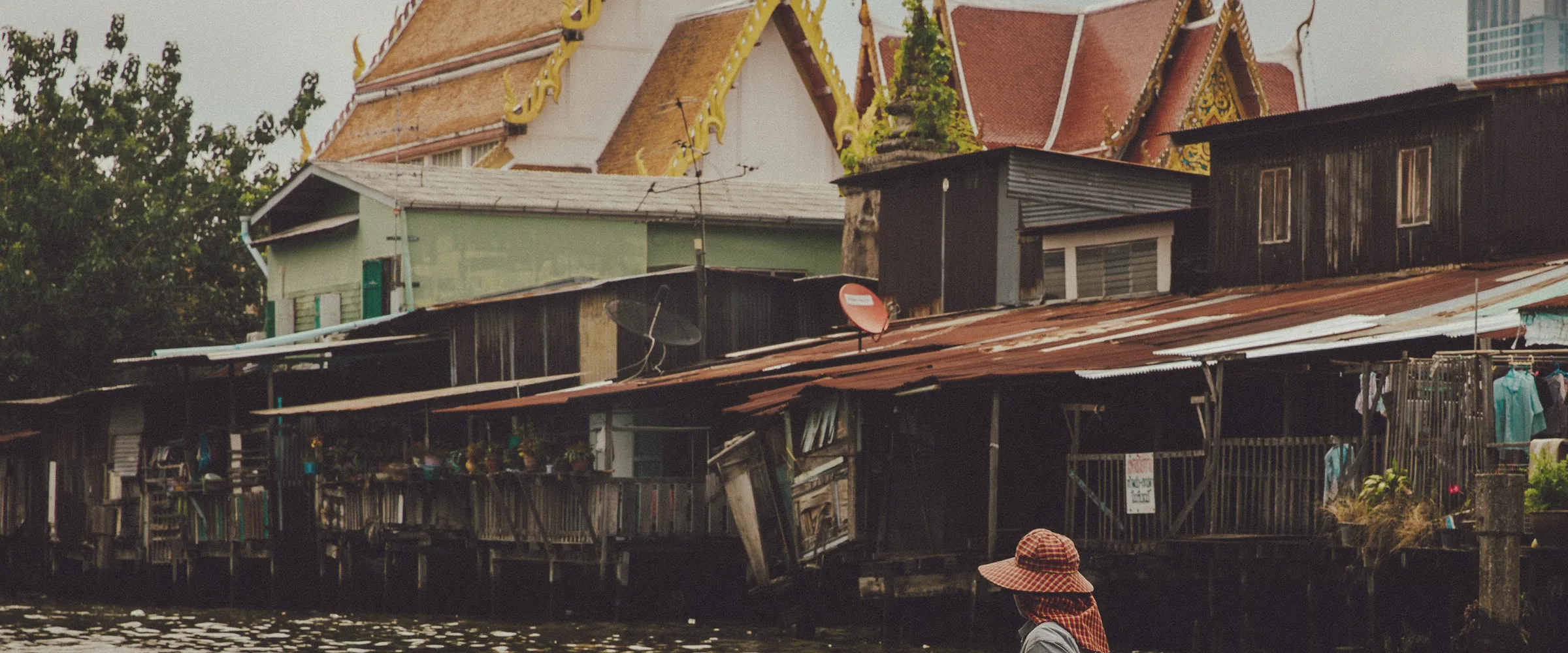
Bangkok, Thailand
Why people retire here
Thailand offers warmth, beautiful landscapes, a gentle and welcoming culture, superb food, excellent private hospitals in major centres and good value. Bangkok is one of Asia's great air hubs, and the country has hosted retirees from around the world for decades.
Who it suits, and who it doesn't
Suits: people who want warmth, value and a relaxed pace; those who prioritise private healthcare quality; people comfortable with routine immigration paperwork; those at lower to moderate budgets.
Less suited to: anyone who wants a permanent, low‑maintenance residence status; people sensitive to air pollution in some seasons; those who want to own land (foreigners generally cannot).
Where people live
- Chiang Mai: a cultural northern city with lower costs; air quality suffers during the burning season.
- Hua Hin: a calm beach town within reach of Bangkok, popular with retirees.
- Bangkok: a vast, vibrant capital with the country's best hospitals.
- Phuket and Koh Samui: island life, higher costs.
- Pattaya and the eastern seaboard: large expat community, varied reputation.
How residence works in principle
Thailand does not usually grant permanent residence to retirees on the basis of a pension. Instead, retirees typically use a Non‑Immigrant long‑stay visa for retirement (such as the "O‑A" long‑stay visa) or enter on a Non‑Immigrant visa and obtain a retirement extension of stay, renewed periodically, with proof of income or funds held in a Thai bank, and, for some routes, health insurance. There is also a Long‑Term Resident (LTR) visa with a category for pensioners, with higher financial requirements and longer validity. Holders of long‑stay status must report their address periodically. Official sources include the Thai e‑Visa portal and the LTR visa site.
Healthcare
Thailand's leading private hospitals in Bangkok, Chiang Mai, Phuket and Hua Hin are of a high standard and widely used by foreign residents. Public hospitals are inexpensive but busier. Foreign retirees generally rely on private insurance or pay directly; some visa routes require insurance.
Cost structure
Lower. Rent, food and services are good value outside the most popular islands and central Bangkok. Imported goods and wine are expensive.
Tax considerations in principle
Thailand taxes residents on Thai income and, under a reinterpretation of the rules, on foreign income brought into the country, including in a later year than it was earned, subject to treaties and transitional rules. Proposals to ease this have been discussed. This is an area of active change; take current advice.
Practical downsides
- Residence status depends on periodic renewals and reporting.
- Air pollution in the north and some cities in the dry season.
- Foreigners generally cannot own land.
- Hot all year, with heavy rains in the wet season.
Other places worth considering
- Italy: extraordinary culture, food and landscapes, with an elective residence visa for people with passive income and a national health service. Bureaucracy is a challenge.
- Cyprus: EU membership, English widely spoken, sunshine and a large British community.
- Uruguay: stable, safe and progressive, with a gentle pace; higher costs than some neighbours.
- Colombia: spring‑like cities such as Medellín, good private healthcare and low costs; safety varies by area.
- Ecuador: low costs and highland towns such as Cuenca, with a US‑dollar economy.
- Vietnam: low costs and vibrant culture, but limited long‑term residence options for retirees.
- New Zealand: superb quality of life, but few practical routes for retirees without substantial investment.
How to choose between them
Rankings cannot tell you which country is right for you. A structured approach can.
1. Start with your reasons
Rank what you want most: warmth, value, healthcare, nearness to family, culture, nature, language. Our guide How to Choose Where to Retire includes a weighted scorecard.
2. Apply the non‑negotiables
- Can you qualify for residence? Citizenship of an EU country, a qualifying pension, sufficient passive income or savings? See Retirement Visas Explained.
- Can you access healthcare you can trust, for life? See Healthcare When You Retire Abroad, Types of Healthcare Systems and International Health Insurance Explained.
- Does the budget work with a margin? See How to Compare Cost of Living Between Countries.
3. Some broad patterns
- If public healthcare and legal certainty matter most: France, Spain and Portugal stand out, with Costa Rica's mandatory public system as a Latin American alternative.
- If you are an EU citizen: the five European countries are open to you through free movement.
- If English matters most: Malta and Malaysia are the easiest, followed by expat hubs elsewhere.
- If value matters most: Mexico, Malaysia, Thailand and Panama typically stretch a pension furthest.
- If being near North America matters: Mexico, Panama and Costa Rica.
- If you want a simple, stable status: EU free movement or routes that lead to permanent residence are better than permits requiring frequent renewal.
4. Think about money and tax early
Your pensions and savings will behave differently in each country. Check how your state pension is paid and increased abroad (How State Pensions Work), plan withdrawals (Retirement Drawdown, Sequence‑of‑Returns Risk) and take cross‑border tax advice.
5. Plan for later life
Consider long‑term care and what you would do if you needed it (Long‑Term Care Explained), and put legal documents in place that work in your new country (Wills and Estates Across Borders, Power of Attorney Across Countries, Advance Directives Explained).
6. Visit, then trial
Visit your top two or three in their hardest season, then rent for several months in your favourite. Our step‑by‑step How to Retire Abroad guide takes you from first idea to first year.
7. Build a life, not just a move
The best place on paper can feel lonely without friends and purpose. See How to Find Purpose After Retirement, Loneliness and Connection After Retirement, Volunteering in Retirement and Working in Retirement, which explains why visa conditions matter if you want to work.
Frequently asked questions
What is the best country in the world to retire?
There is no single best country. The ten in this guide have durable strengths, but the right choice depends on your budget, health needs, citizenship, language, climate preferences and family ties.
Which countries make it easiest for retirees to get residence?
Many of the countries here have established routes for pensioners or people with passive income, such as Portugal's D7, Spain's non‑lucrative visa, Greece's financially independent persons permit, France's long‑stay visitor visa, Mexico's residence by economic solvency, Panama's Pensionado visa, Costa Rica's Pensionado and Rentista routes, Malaysia's MM2H and Thailand's retirement routes. Requirements change; check official sources.
Where can I retire abroad with good public healthcare?
France, Spain and Portugal have strong public systems that legal residents can usually join, and Costa Rica requires residents to join its public system. Elsewhere in this guide, most foreign retirees rely mainly on private care and insurance.
What is the cheapest of these countries to retire in?
In relative terms, Mexico, Malaysia, Thailand and Panama typically offer the lowest living costs, but costs vary greatly within each country and change over time. Price your own life using our cost‑of‑living method.
Where can I retire abroad speaking only English?
Malta, where English is an official language, and Malaysia, where it is widely spoken, are the easiest. In established expat areas of other countries you can manage, but learning the local language greatly improves daily life.
Do I pay tax in my new country if I retire abroad?
Usually, once you become tax resident, though treaties and special regimes affect how pensions are taxed, and some countries tax only local or remitted income. US citizens remain subject to US tax wherever they live. Take advice from someone qualified in both countries.
Why doesn't this list include rankings or prices?
Because they change every year. This guide focuses on lasting strengths and shows you how to check today's figures from official sources, so it remains useful for years.
Should I buy property when I move?
Usually not at first. Rent for a year or more to be sure of the place and the neighbourhood, and understand ownership rules, taxes and inheritance law before you buy.
Keep exploring onwora
- Place: How to Choose Where to Retire · How to Retire Abroad · Retirement Visas Explained · How to Compare Cost of Living Between Countries
- Money: Retirement Drawdown · The 4% Rule Explained · Sequence-of-Returns Risk · How State Pensions Work
- Health: Healthcare When You Retire Abroad · International Health Insurance Explained · Types of Healthcare Systems · Long-Term Care Explained
- Purpose: How to Find Purpose After Retirement · Loneliness and Connection After Retirement · Volunteering in Retirement · Working in Retirement
- Legacy: Wills and Estates Across Borders · Forced Heirship Explained · Power of Attorney Across Countries · Advance Directives Explained
This guide is general information, not legal, immigration, tax, financial or medical advice. Residence routes, thresholds, tax rules, healthcare access and costs change frequently; always check the official sources linked above and take qualified advice before making decisions.